 Visit Porto City Guide
Douro Valley or Braga: Which Day Out of Porto to Take
Last reviewed 2026-09-07
Douro Valley or Braga is the choice most people face on their second full day in Porto, and the two are not comparable versions of the same outing. The Douro is a landscape: a railway that runs beside the water for hours, terraces cut into schist, a quinta with a tasting room and a boat. Braga is a city: an archbishop's seat with a cathedral, a baroque core you can walk in an afternoon, and a sanctuary staircase on a hill above it. One is a long day whose value is the ride; the other is a short hop whose value is what is at the top of the stairs. This page settles it on the figures both operators publish — CP's 2026 fare sheet for the trains, the sanctuary's own tariff for Bom Jesus, and the listed prices of the platform tours that run to one or the other — read as at in Q3 2026. Dollar figures are converted at €1 = $1.1622.
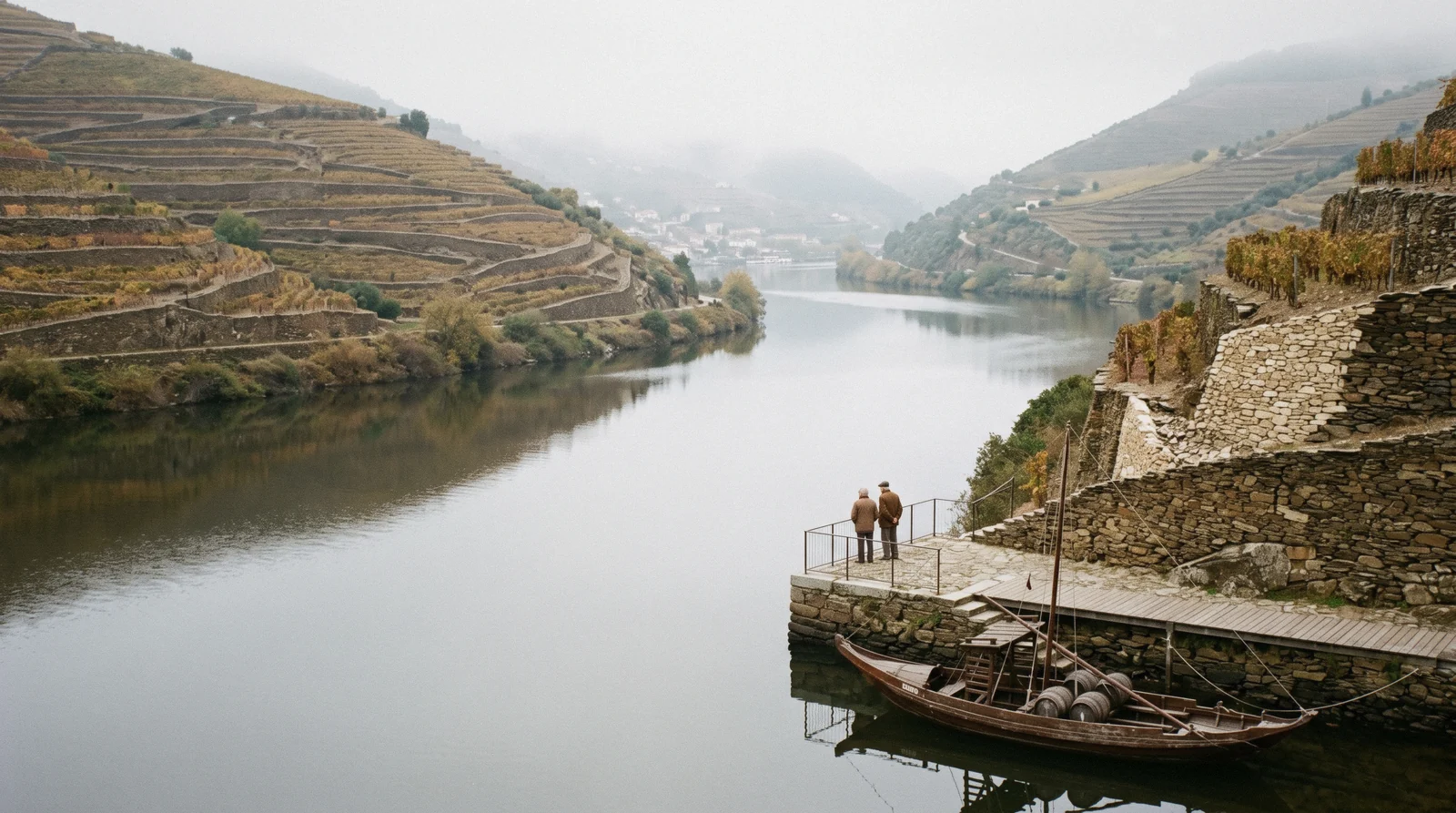
Quick answer The two fares, the hours each day eats, and the tour that wins each side
Take Braga if you have half a day or a tight budget: an urban train from São Bento costs a zone fare from $1.92 (€1.65) on CP's 2026 tariff, the basilica at Bom Jesus do Monte is free, and the whole outing can be done and dusted between breakfast and dinner. Take the Douro Valley if you have a full day and want the thing the region is famous for: $14.47 (€12.45) each way to Pinhão on the InterRegional, terraces the whole second half of the ride, and a rabelo boat on the quay. The Douro is the better day and the longer one — the return InterRegional we could read leaves Pinhão at 16:41 and reaches São Bento at 19:05, so the ride home alone is nearly two and a half hours.
Key takeaways
- The Douro day by train costs about $28.90 (€24.90) in fares to Pinhão and back and needs roughly twelve hours door to door; the most-booked minibus day with tastings, lunch and a boat lists at $63.90 (€55) and hands you back the driving
- The Braga day is the cheap one: a CP tourist day ticket at $8.95 (€7.70) covers the trains, the basilica charges nothing, and the 1882 water funicular up the sanctuary hill is $2.91 (€2.50) one way
- If you only have one day trip and like wine, landscape or trains, it is the Douro; if you like churches, cities and stairs — or the forecast is grim — it is Braga, and the day-trips hub prices the other six destinations against both
- The coaches blur the question: the cheapest northern day at $45.30 (€39) puts Viana do Castelo, Braga and Guimarães in one ten-and-a-half-hour circuit, which is three towns seen from the outside rather than one seen properly
What Each Day Actually Is
The Douro: a railway, a river and a long day
The Douro day is a train journey with stops in it. The Linha do Douro leaves São Bento or Campanhã, runs inland through the suburbs and the Vinho Verde country, and then meets the river at Mosteirô, after which it never leaves it — an hour and more of track laid on the water's edge, under terraces that climb out of sight. Peso da Régua is the working capital of the wine region and the end of the cheaper Regional service at $11.74 (€10.10). Pinhão, an InterRegional stop at $14.47 (€12.45) from São Bento, is the postcard: a small station with azulejo panels of the harvest, quintas on the slopes above it and boats on the quay.
What you do there is deliberately small. You walk the quay, you take a boat if one is going, you taste at a quinta if you have arranged it, and you get back on a train. Nobody publishes a fare for the rabelo trips at Pinhão — no operator page we could read prints one — so that part of the day is cash on the day. The value is not the destination; it is the four to five hours of railway that bracket it.
The cost of that value is time. Twelve hours door to door is normal, the last two and a half of them on the return train, and the timetable is thin enough that missing one service reshapes the evening. The Douro Valley page prints every fare on the line, the steam-train season and the hour-by-hour version of the day.
Braga: a city you can finish, on a commuter line
Braga is on the urban network, not the long-distance one, which is the fact that decides most of this comparison. Trains leave São Bento and Campanhã through the day on a zone fare that starts at $1.92 (€1.65) on CP's 2026 urban tariff and tops out at $7.73 (€6.65) for the longest zone count — CP's zone poster was not legible enough for us to state which count applies to Braga, so buy at the machine and let the destination list do the arithmetic. The one-day CP tourist ticket at $8.95 (€7.70) is the safe answer either way, and it covers the return.
In the city you get the oldest cathedral in Portugal, a compact baroque centre of squares and churches, and a café culture that is noticeably cheaper than Porto's. Above the city sits Bom Jesus do Monte, the granite staircase that zigzags up a wooded hill in a sequence of fountains and chapels. The basilica is free. The high choir and bell tower are $1.16 (€1). The water-counterbalance funicular, running since 1882, is $2.91 (€2.50) one way or $4.65 (€4) return, on summer hours of 09:00 to 20:00 and winter hours that break for lunch between 12:55 and 13:55.
That is a half-day if you are efficient and a comfortable full day if you are not, and it leaves the evening in Porto intact. The Braga page has the sanctuary's tariff in full and the bus-or-taxi question from the station to the hill.
Douro Valley and Braga, Line by Line
Every figure below comes from an operator's own publication as at in Q3 2026: CP's TP 2026 price documents for the trains, bomjesus.pt for the sanctuary, and the platform listings for the tour prices. Where nothing official is published, the cell says so rather than guessing.
| Douro Valley | Braga | |
|---|---|---|
| What you go for | Terraced vineyards, the river, a quinta tasting, the railway itself | Portugal's oldest cathedral, a baroque city centre, the Bom Jesus stairway |
| The train | CP Linha do Douro from São Bento or Campanhã; Regional to Régua, InterRegional to Pinhão | CP urban line from São Bento or Campanhã; frequent all day |
| Fare, 2026 CP sheet | $11.74 (€10.10) to Régua, $14.47 (€12.45) to Pinhão, each way | Zone fare from $1.92 (€1.65); tourist day ticket $8.95 (€7.70) |
| Journey time | Not printed by CP; the return InterRegional runs Pinhão 16:41 to São Bento 19:05 | Not printed by CP on any page we could read |
| Tickets on the ground | Quinta tastings by arrangement; rabelo boat fares not published by any operator | Basilica free; funicular $2.91 (€2.50) one way; choir and bell tower $1.16 (€1) |
| Realistic day | Twelve hours door to door by train; nine to ten and a half on a tour | Five to seven hours including the hill; easily a half day |
| Cheapest guided day | $63.90 (€55) with boat, tastings and lunch | $45.30 (€39) with Viana do Castelo and Guimarães added |
| Best in bad weather | Poorly: the point is a view, and the boat is open | Well: cathedral, churches and cafés are all indoors |
| With small children | A long ride with little to do at the far end | Short hop, a funicular they will remember, a park at the top |
| Skip it if | You get restless on trains or have under nine hours free | You came to Portugal for wine and landscape |
CP prints no journey time on the route pages we could read, and its urban zone poster was not legible enough to state Braga's zone count; both are marked not stated rather than filled from a third-party site.
The Transport Arithmetic
Both days start at the same two stations, and after that they have almost nothing in common. Braga is a commuter fare on a frequent line; the Douro is a long-distance fare on a thin one. The table below is the arithmetic for one adult, doing each day without a tour.
The Douro round trip to Pinhão is $28.90 (€24.90) at the 2026 InterRegional fare, or $23.50 (€20.20) if you settle for Régua on the Regional. The trap is that these are different services: the Regional stops at Régua, so the cheap ticket cannot reach the postcard station. Campanhã is four cents cheaper each way than São Bento to Pinhão, which is not a reason to change stations but does tell you the two are on the same tariff. Braga, on the urban network, is a zone fare — from $1.92 (€1.65) — and the CP tourist day ticket at $8.95 (€7.70) covers the return with room to spare, which is why it is the ticket the Braga page recommends buying blind.
A note on both: CP publishes fares as clean PDFs and timetables as scripts, so we can print what a ticket costs and not how long the ride takes. Treat any journey time you read elsewhere, including ours, as an estimate, and build the day around the one departure you have confirmed on a platform screen.
| Leg | Fare on the 2026 sheet | What is official | What is not |
|---|---|---|---|
| São Bento → Pinhão, InterRegional | $14.47 (€12.45) each way | The fare and the 50 percent reduced column | Journey time; who qualifies for the reduction |
| São Bento → Régua, Regional | $11.74 (€10.10) each way | The fare, and that the Regional ends here | Journey time; onward connection times |
| Campanhã → Pinhão, InterRegional | $14.35 (€12.35) each way | The fare | Journey time |
| São Bento → Braga, urban | Zone fare from $1.92 (€1.65) | The zone price ladder to $7.73 (€6.65) | Braga's zone count — the poster grid was unreadable |
| CP tourist ticket | $8.95 (€7.70) one day, $19.18 (€16.50) three days | The price and the durations | Which services it excludes |
| Bom Jesus funicular | $2.91 (€2.50) up, $4.65 (€4) return | Both fares and the seasonal hours | The month the seasons change |
Getting from Braga station to the sanctuary
This is the leg that catches people out, because Bom Jesus is not in Braga: it stands on a hill about six kilometres east of the centre, and the funicular only covers the last hundred metres of height. A city bus runs out to the foot of the hill and taxis wait at the station; neither operator publishes a fare on a page we could read, so this is the one unpriced link in the day. Budget for a taxi both ways if the group is more than two, and treat the stairway itself as the walk it was built to be — the devout climb it, and the view back over the plain gets better every landing.
If that sounds like more logistics than a day trip should carry, it is the strongest argument for the coach options below, all of which drive to the sanctuary gate. Getting around Porto explains the Andante zones for the city end of both days.
What the Guided Days Buy, on Each Side
The Douro is the better-served side by a distance. Five platform days run from Porto: the most-booked one at $63.90 (€55) with a boat, tastings and lunch across seven to ten hours; the two-region day at $110.40 (€95) with a farm-to-table lunch; a smaller day at two wineries with a chef's lunch at $145.30 (€125); a river cruise day to Régua and back at $83.70 (€72) that spends ten and a half hours mostly on the water; and a private car for the day at $569.50 (€490) for the whole vehicle rather than the seat. The arithmetic against doing it yourself is unusually clear: the train is $28.90 (€24.90) return, so the cheapest tour adds about $35 for a driver, two tastings, a lunch and a boat you would otherwise have to find on the quay.
Braga's three listings all bundle it with Guimarães, which tells you what the market thinks of Braga on its own. The ten-and-a-half-hour northern circuit at $45.30 (€39) adds Viana do Castelo and sees most things from outside. The eight-hour day with entry tickets and lunch at $122.00 (€105) is the one that actually pays the admissions, and the small-group version at $145.30 (€125) is the best-rated of the three. Against a $8.95 (€7.70) train ticket, all of them are expensive — you are buying Guimarães and the sanctuary transfer, not Braga.
So the honest framing is this: on the Douro side the tour is a reasonable purchase, because it solves a real problem (getting to a quinta, and getting home). On the Braga side the train is almost always the better buy unless you specifically want Guimarães in the same day. The Porto tours hub sets the city's own walking and boat options against both.
Decide It by the Forecast, Then by the Party
Weather
Porto is a wet city, and the IPMA 1991–2020 normal for Pedras Rubras is the number to plan around: 1,146.9 mm of rain a year across 105.4 days, with November the wettest month at 165.9 mm and July the driest at 16.6 mm. That average does most of the deciding here. The Douro day is an outdoor day with a view at the end of it — grey skies flatten the terraces, the boat is open, and a rainy twelve hours on a train for a landscape you cannot see is the worst version of either trip. Braga in the rain is merely a wet city: the cathedral, the churches and the cafés are all indoors, and the funicular saves the stairway.
Heat cuts the other way. August maxima average 24.8 °C at the airport station, but the Douro valley bakes far hotter than the coast — it is a schist canyon with no sea breeze — while Braga, inland but higher and greener, stays workable. In a July or August heatwave, either choose the Douro tour with an air-conditioned minibus or take the boat day rather than the walking one. The best-time page has the full monthly table.
Who is travelling
With small children, Braga: the trip is short, the funicular is a five-minute novelty, and there is a park and a lake at the top of the hill. Twelve hours on the Douro line with a toddler is a long time to be brave. With teenagers, either, though the Douro needs a boat or a swim in it to be worth their day.
With wine as the reason you came, the Douro, and take the tour rather than the train — the quintas that receive visitors are up in the hills, not walkable from the station, and no public transport reaches them. With mobility limits, Braga with the funicular and a taxi to the sanctuary gate; the Douro's stations have steps and the quays are cobbled. With one day trip and no strong preference, the Douro, because it is the one people regret missing and Braga is the one you can add to a longer stay. Porto with kids covers the family end of both.
Which One, for the Trip You Are Having
If you have one free day and want the region's headline landscape
the Douro Valley, by InterRegional to Pinhão or on the $63.90 (€55) minibus day.
If you have half a day, or a budget that matters
Braga on a $8.95 (€7.70) CP tourist ticket. Nothing else in the north gives so much for so little.
If the forecast says rain
Braga. The cathedral and the baroque churches do not care about the weather; the Douro terraces do.
If wine is why you came to Porto
the Douro on a guided day — the quintas are not reachable by train — or the Gaia lodges if you would rather not lose the day at all.
If there are children under six in the party
Braga, for the funicular and the short ride, with the family notes before you go.
If you want the medieval castle and the birthplace-of-Portugal story too
Guimarães, or the $122.00 (€105) day that pays the entries in both towns.
Booking Either Day
Each card opens the operator's own page and live calendar. Prices are the euro figures listed as at in Q3 2026; the platform charges in your own currency at checkout, and entry tickets are included only where the card says so.
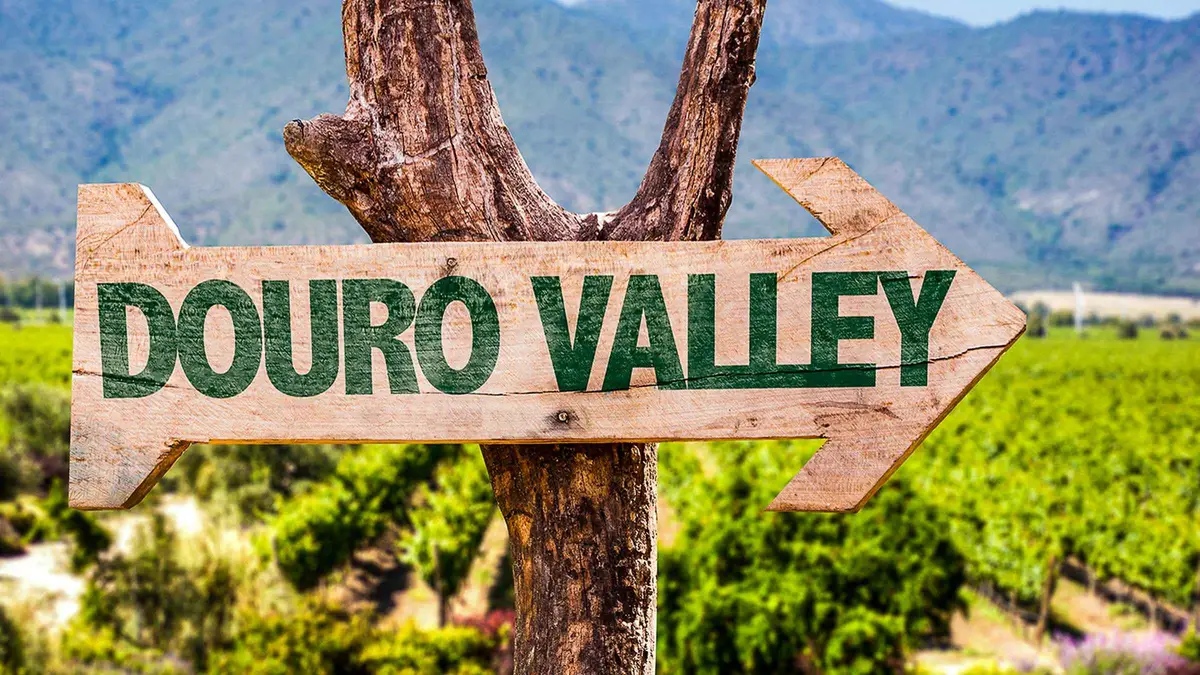 from €55
From Porto: Douro Valley w/ Boat Tour, Wine Tasting & Lunch
listed at $63.87
The most-booked Douro day trip, with 22,000 reviews: a 1959 cooperative winery, a second cellar, cellar lunch with Douro wines, olive oil and an hour on the river. Groups can grow and go bilingual without notice.
Check Availability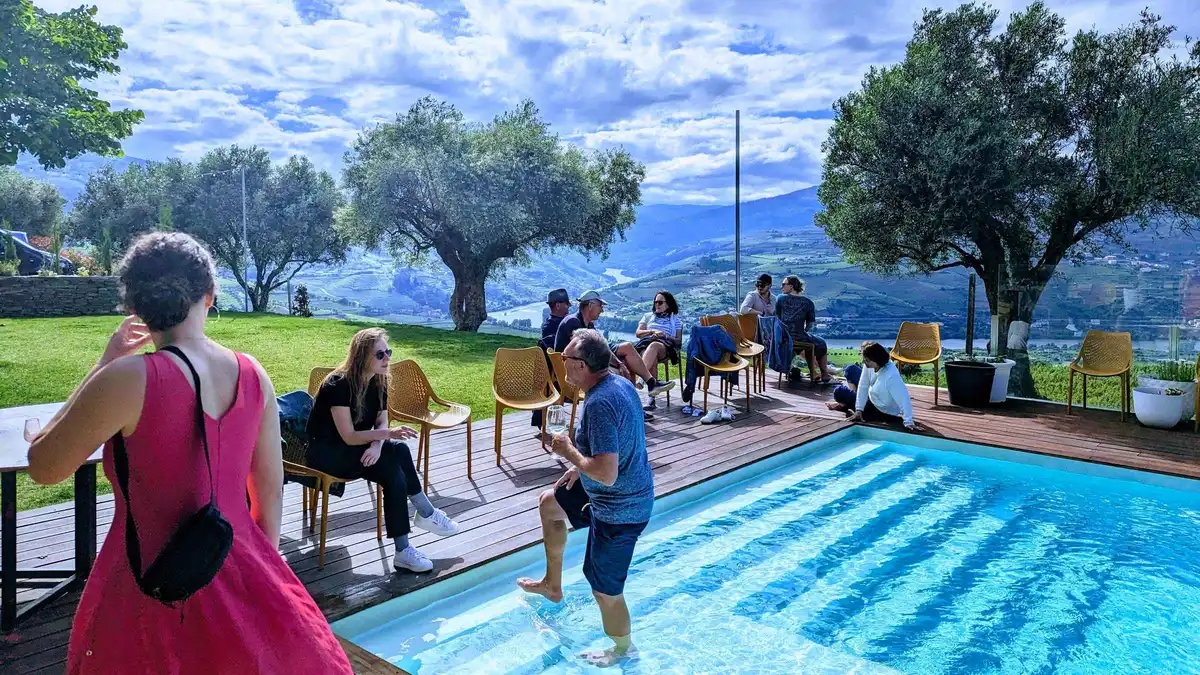 from €95
From Porto: 2 Wine Regions, Farm-to-Table Lunch & Boat
listed at $110.32
Two wine regions in a day with WSET-certified guides: Vinho Verde and the Douro, ten wines, a farm-to-table lunch and a private hour-long boat. No hotel pickup, and children under ten are not accepted.
Check Availability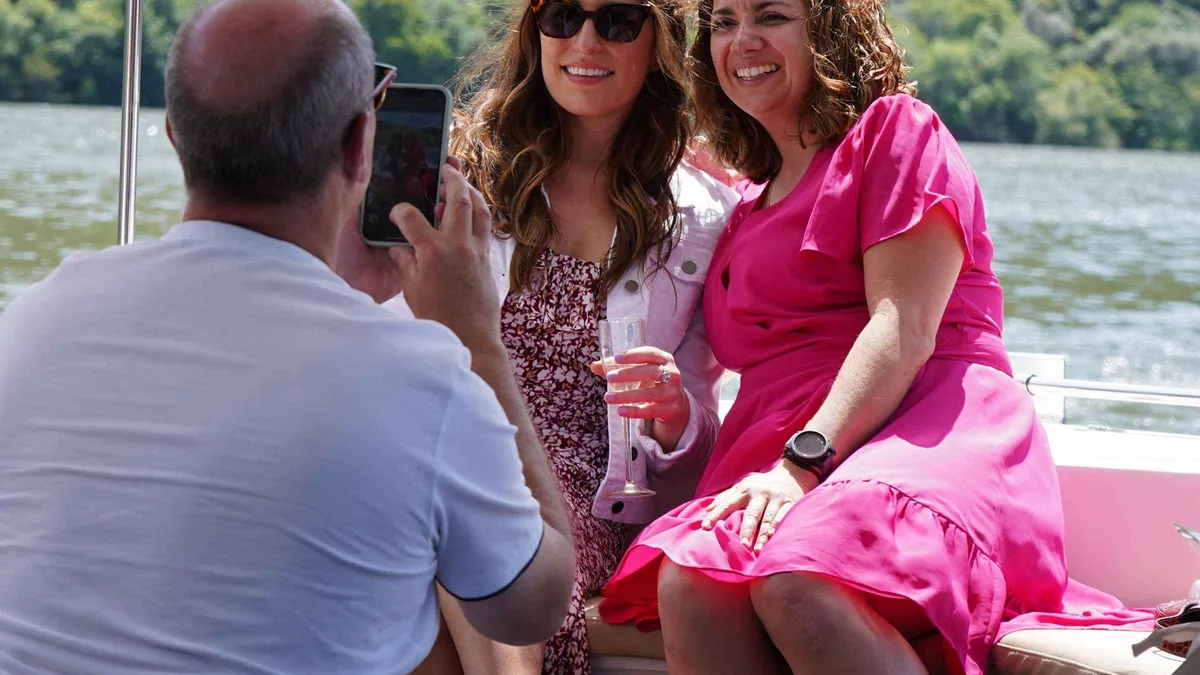 from €125
From Porto: Tastings at 2 Wineries, Chef's Lunch & Boat Tour
listed at $145.17
The small-group version from the same operator, capped at 14, with 11 wines, two olive oils and a Vintage port opened with fire. Vegetarian and gluten-free lunches if you say so in advance.
Check Availability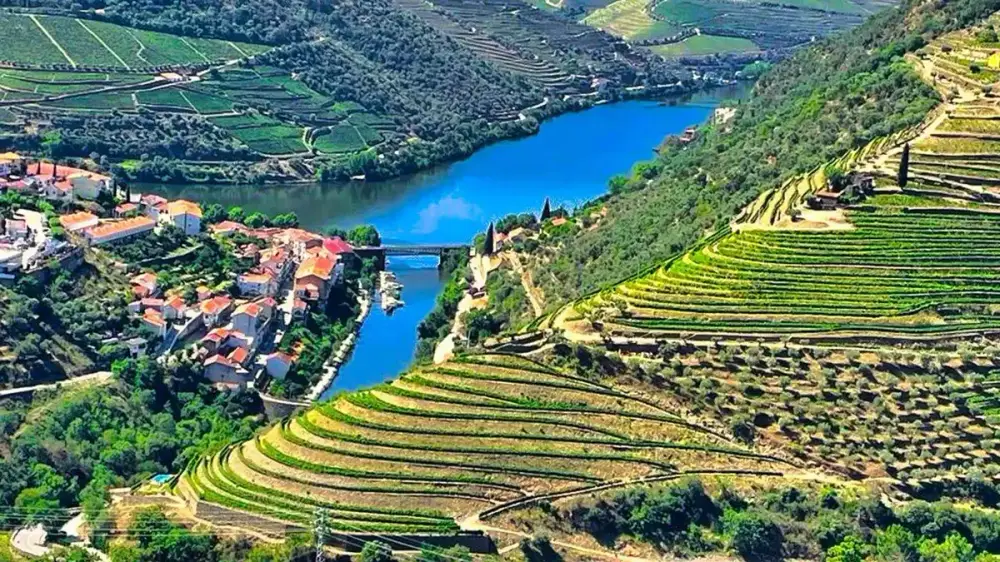 from €490
Porto: Douro Valley Private Tour with 2 Vineyards and River Cruise
listed at $569.06
A private nine-hour Douro day priced per group, with pickup at your door, two vineyards, a cruise and lunch in a winery. The price shown is the whole car, not a seat.
Check Availability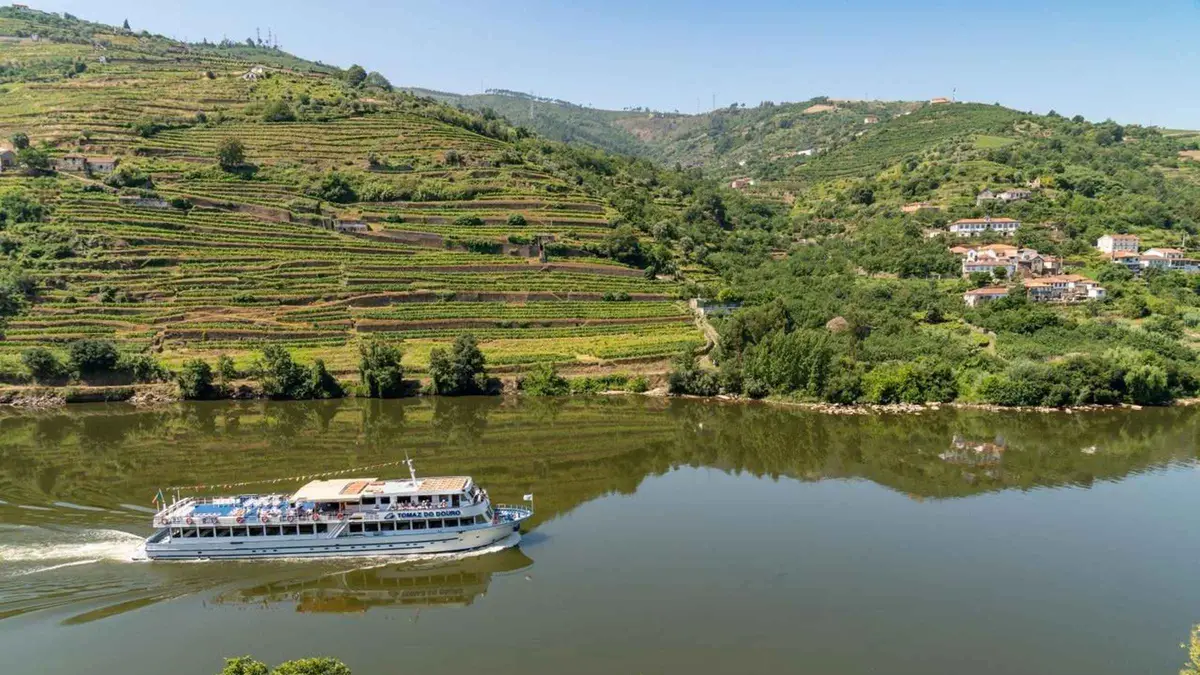 from €72
Porto/Régua/Porto (and reverse): Douro River Cruise + Lunch
listed at $83.62
The classic upriver cruise from Porto to Régua through the Crestuma and Carrapatelo locks, lunch on board. Slow and scenic; 10.5 hours of river, no winery visits.
Check Availability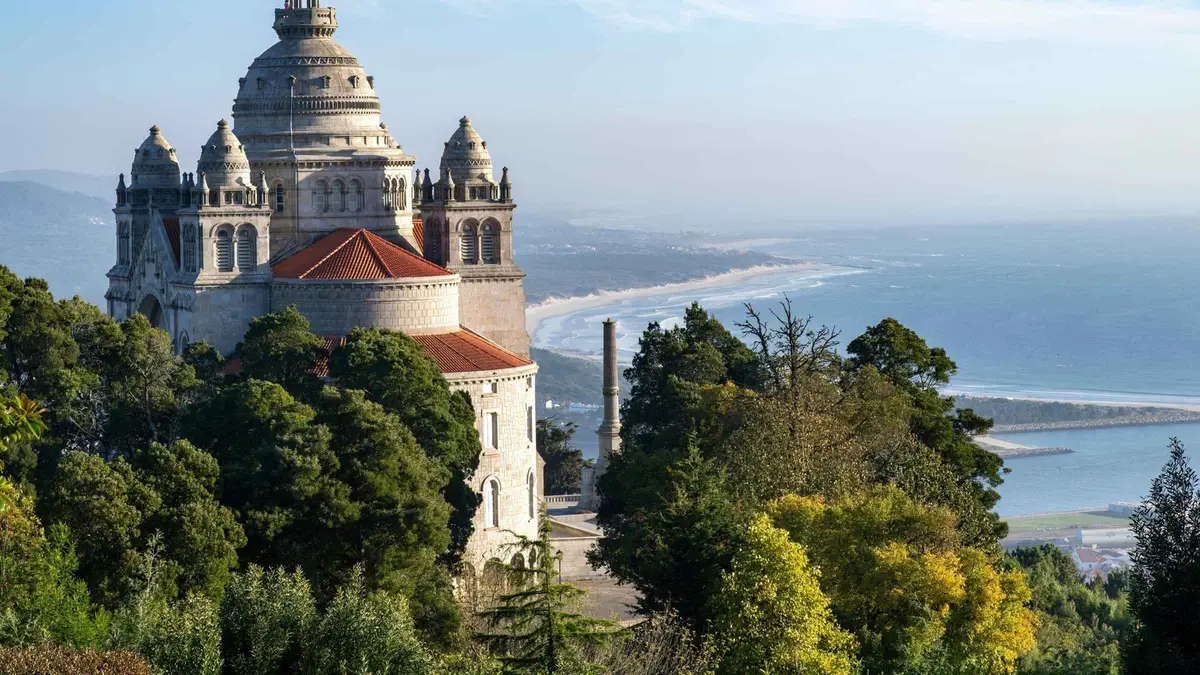 from €39
From Porto: Viana do Castelo, Braga and Guimarães Day Tour
listed at $45.29
Three cities in ten and a half hours — Viana do Castelo, Braga and Guimarães — for the lowest price on this page, with headsets and a separate driver. Monuments are seen from outside, and lunch is on you.
Check Availability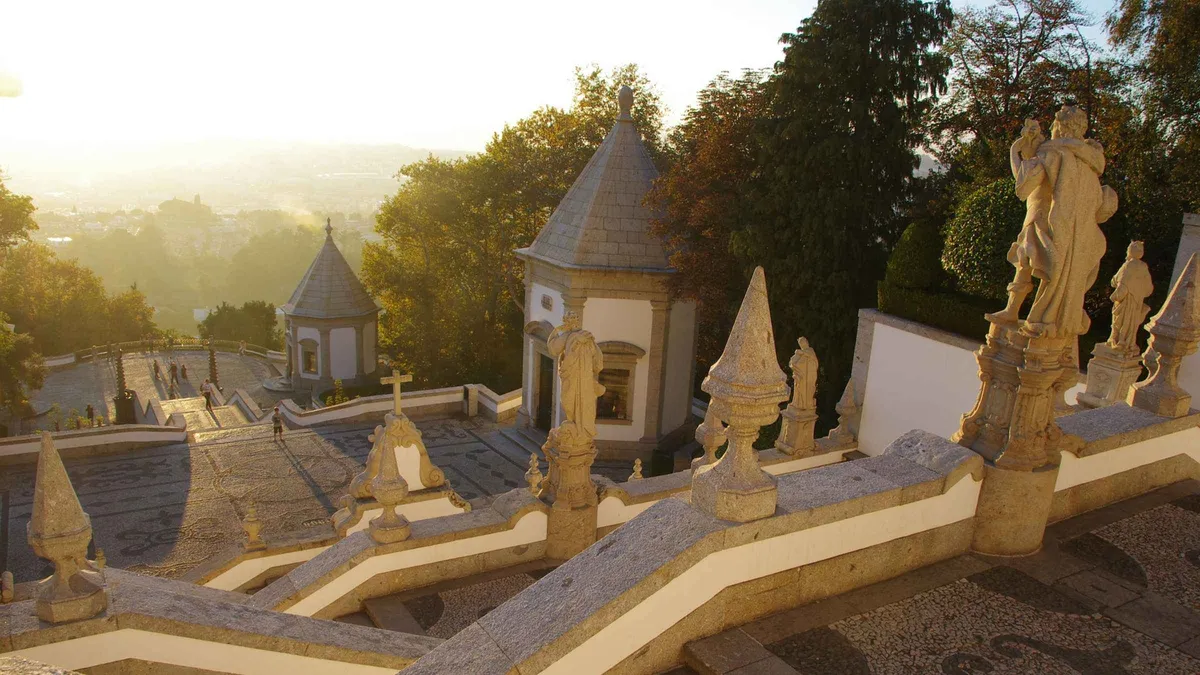 from €105
Porto: Guimarães & Braga Tour with Entry Tickets and Lunch
listed at $121.94
An eight-hour Braga and Guimarães day capped at eight people with hotel pickup, cathedral and castle tickets and a lunch with Vinho Verde. The middle option between the coach and the premium small group.
Check Availability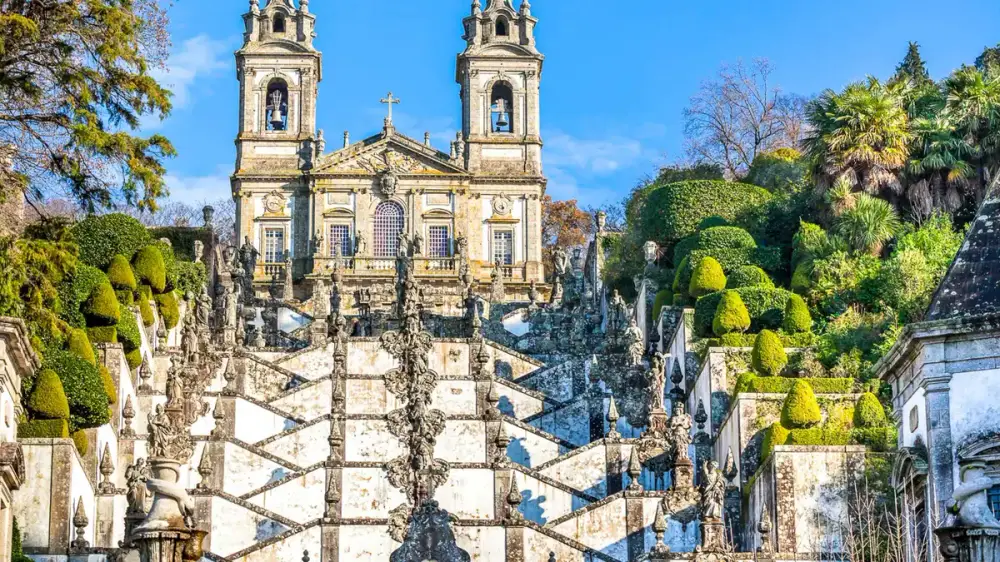 from €125
Braga & Guimarães Small-Group Tour, Lunch & Tickets Included
listed at $145.17
The best-rated Braga and Guimarães tour: eight seats, hotel pickup, fast-track entries, access to the cathedral's chapels and High Choir, and a Portuguese lunch. The most expensive of the three for that reason.
Check AvailabilityPrices, ratings and details are the platform's own, checked in Q3 2026; dollar figures are the listed prices — the platform bills in your account's currency.
Doing Both, and the Case for Neither
Both in one day is not a plan: they lie in opposite directions from Porto on different railways, and the Douro alone fills the daylight. Both across two days is a good pairing precisely because they are so unalike — a long slow ride one day, a compact city the next — and it is the shape a four-night trip usually takes. If you have three days rather than four, the three-day itinerary puts the Douro on the last one for a reason: it is the day you will not want to hurry back from.
The case for neither deserves a hearing. Porto itself takes two full days to see properly, and the most common regret we hear is not skipping a day trip but running one on a day the city still had things left in it. If you have only two days, spend them on the things to do in Porto and the Gaia lodges. If a day trip is definitely happening, it is worth checking the alternatives — Aveiro for canals and a beach, Guimarães for the castle — before defaulting to the two most advertised.
Douro Valley or Braga: The Questions That Decide It
Is the Douro Valley worth a whole day from Porto?
Yes, if you like the journey as much as the destination. Roughly half the ride to Pinhão runs beside the water under terraced slopes, and that is the experience people remember; the village at the end is small. Budget twelve hours door to door by train, or nine to ten on a minibus day from $63.90 (€55). If a long day on a train sounds like a chore rather than a pleasure, this is not your trip. The Douro Valley page prints the fares and the timings.
Is Braga worth seeing?
It is, and it is the cheapest good day out of Porto. The cathedral is the oldest in Portugal, the baroque centre is compact and genuinely lived-in, and Bom Jesus do Monte's stairway is one of the country's landmark sights — free to climb, with a water funicular at $2.91 (€2.50) if you would rather not. On a zone fare from $1.92 (€1.65) it costs less than lunch. The Braga page has the sanctuary hours and the transfer up the hill.
Can you do the Douro Valley and Braga in one day?
No. They sit in opposite directions on separate railways, and the Douro round trip alone runs to about twelve hours by train or nine to ten and a half on a tour. Over two days the pairing works well. If what you want is two places in one day, the realistic combination is Braga with Guimarães, which is what all three guided Braga days sell — from $45.30 (€39).
Which is cheaper?
Braga, by a wide margin. A CP tourist day ticket is $8.95 (€7.70), the basilica is free and the funicular is $2.91 (€2.50), so the day can be done for about $12 in fixed costs. The Douro to Pinhão and back is $28.90 (€24.90) in train fares before any boat or tasting, and the cheapest guided day is $63.90 (€55). The costs page sets both against a day spent in the city.
Do you need a tour for the Douro Valley?
Not to see it, but you do to taste at a quinta. The train delivers you to Régua or Pinhão and no public transport climbs to the estates that receive visitors, so a DIY day is the railway, the quay and whatever is walkable. If wine is the point, the guided days exist for exactly that reason — $63.90 (€55) with tastings, lunch and a boat, or $110.40 (€95) across two wine regions.
What is the cheapest way to reach Bom Jesus do Monte?
Train to Braga on a zone fare from $1.92 (€1.65) or the $8.95 (€7.70) tourist day ticket, then a city bus out to the hill and the stairway on foot, which costs nothing. The funicular is $2.91 (€2.50) one way and worth it on the way up if the group includes anyone who would rather not climb. Neither the bus operator nor a taxi firm publishes a fare for that last leg on a page we could read.
Which is better in the rain?
Braga, without argument. Its cathedral, churches and cafés are indoor sights, and the funicular replaces the wet staircase. The Douro's value is a view and an open boat, and Porto's wettest month averages 165.9 mm of rain in the IPMA 1991–2020 normal, so this is a real question between October and March. The rainy-day page covers the days you stay in the city instead.
Both Days, Filmed by People Who Took Them
Three visitor accounts: an honest review of a Douro minibus day, a walk around Braga, and the Braga and Guimarães combination the coaches sell.
Douro Valley Tour Review: The Best and Worst Parts of Our Experience
A guided Douro day reviewed with its weak points left in, which is the useful part when comparing it against the train.
Video: Chris+Melissa10 Fun Things to Do in Braga - The Best Day Trip From Porto Portugal
What a day in Braga actually contains, including the climb at Bom Jesus do Monte.
Video: Lucas World TravelBraga & Guimarães: Top Day Trip in Northern Portugal
The two-town version the guided days sell, useful for judging how much of each you get.
Video: Go Travel PlanetVideos load from YouTube only when you press play.