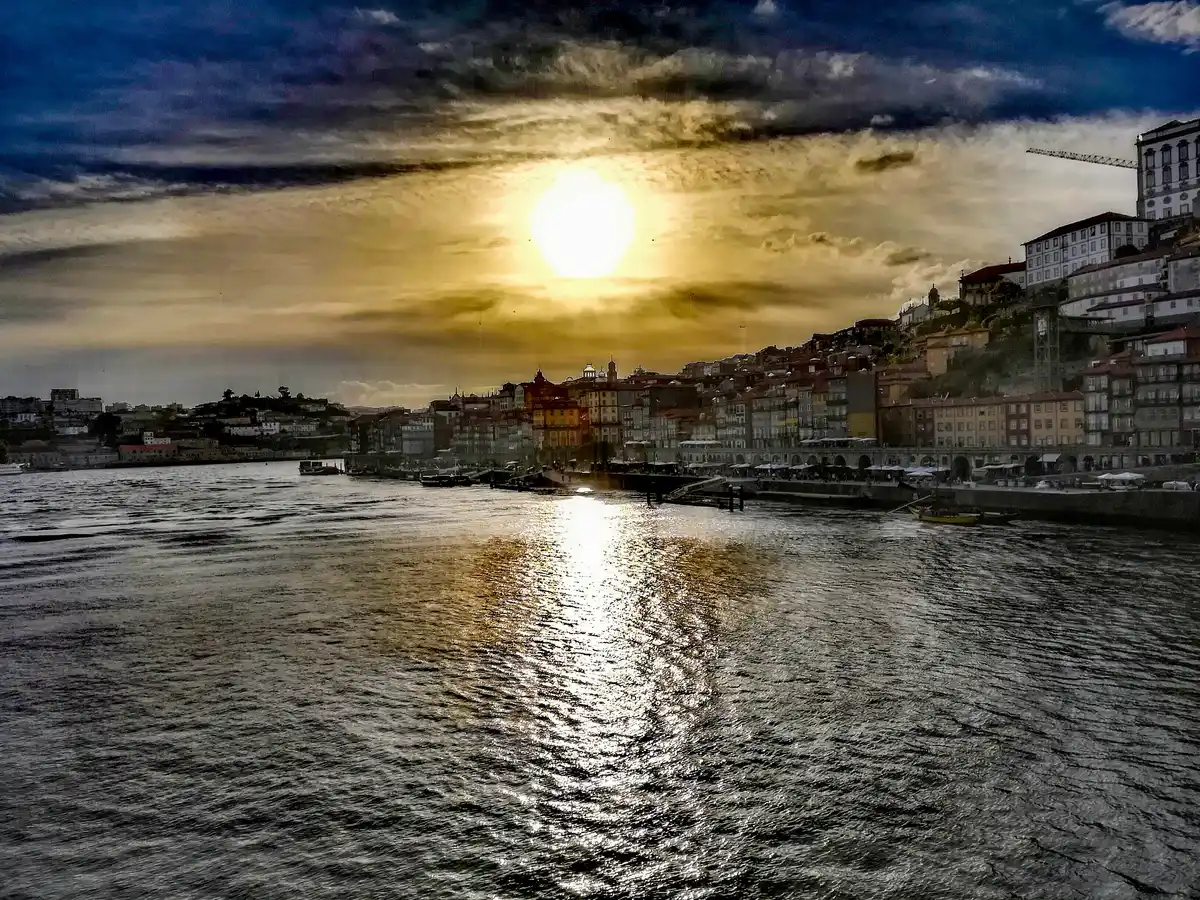
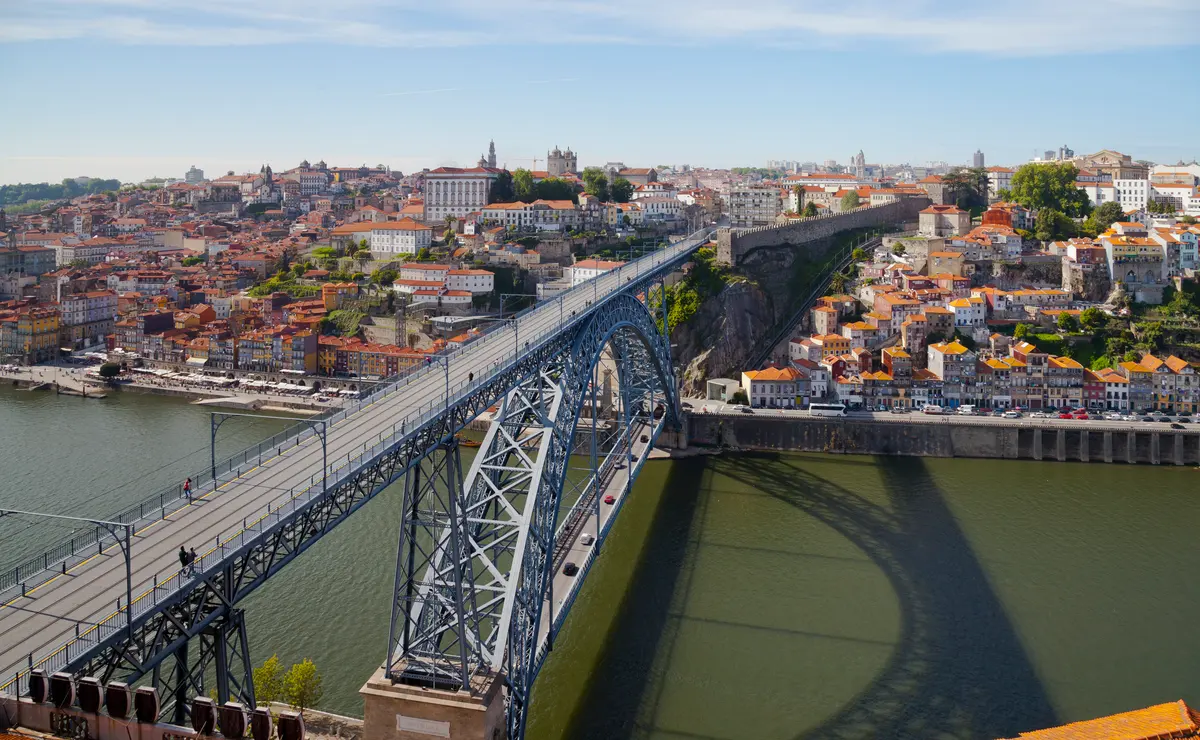
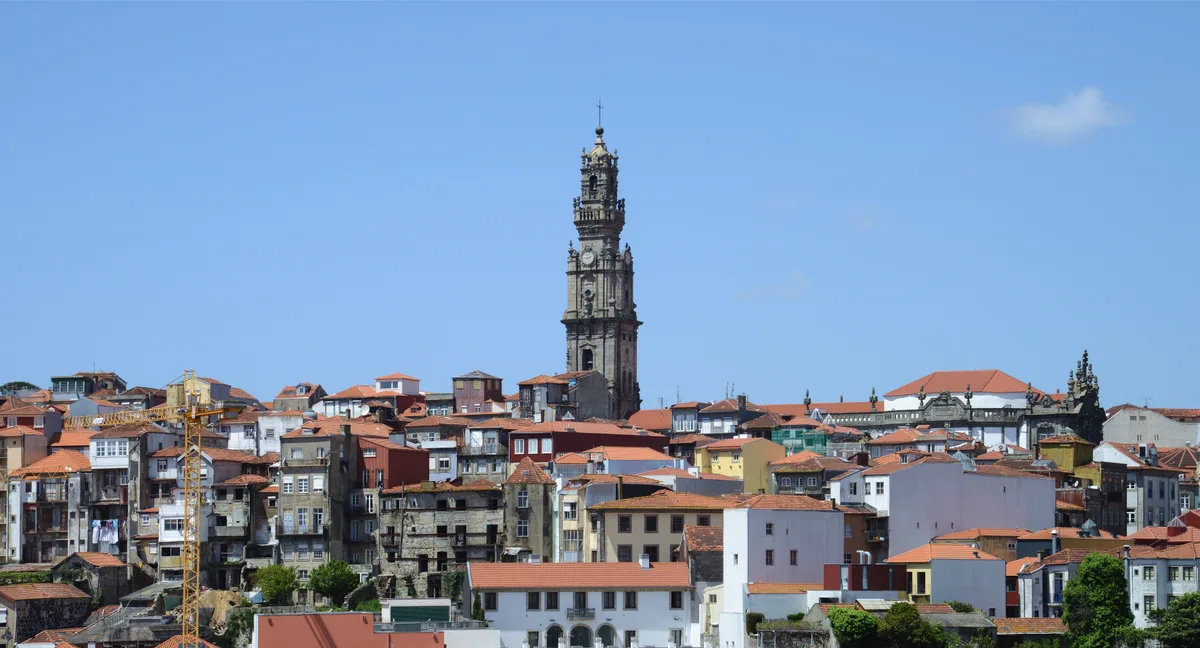
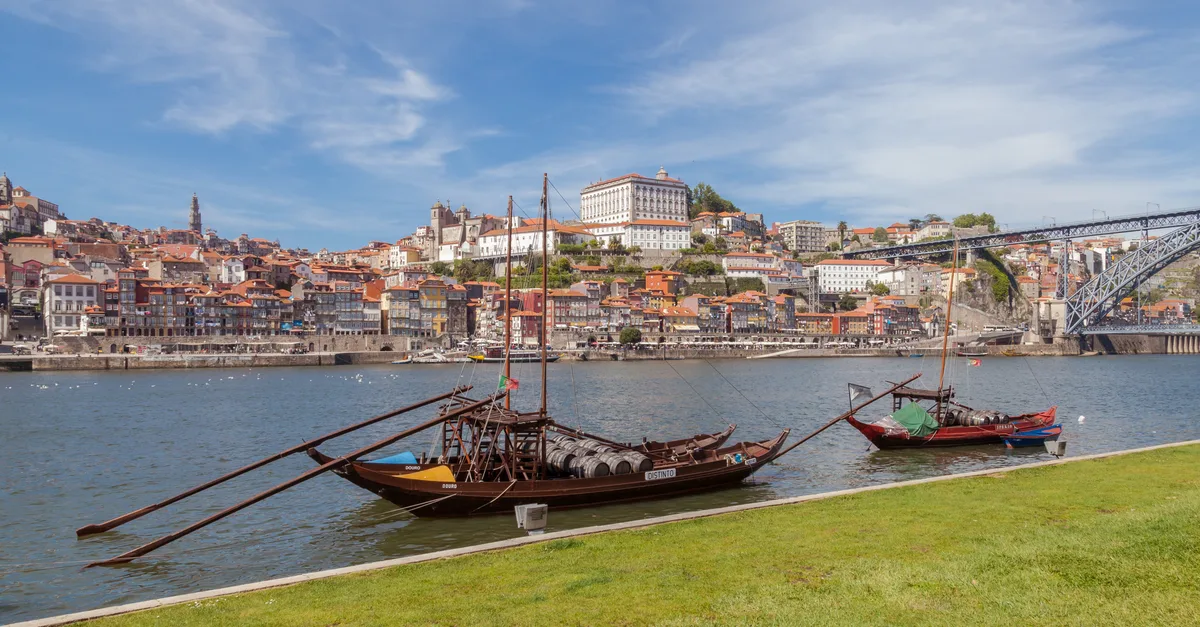
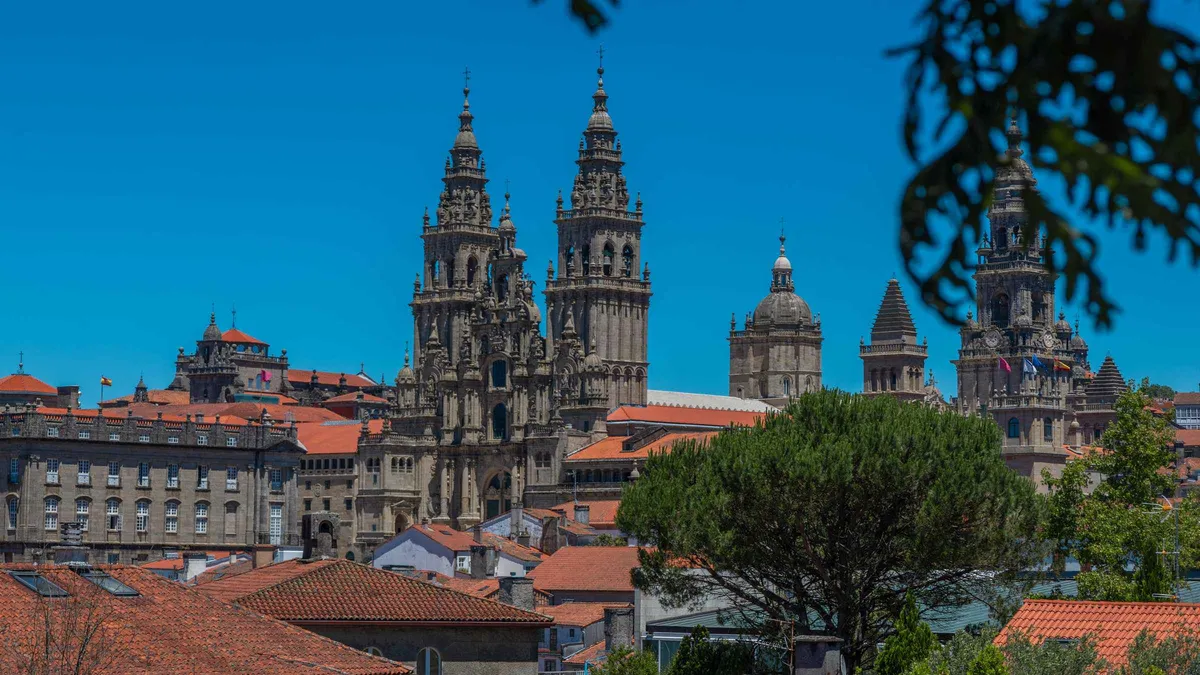
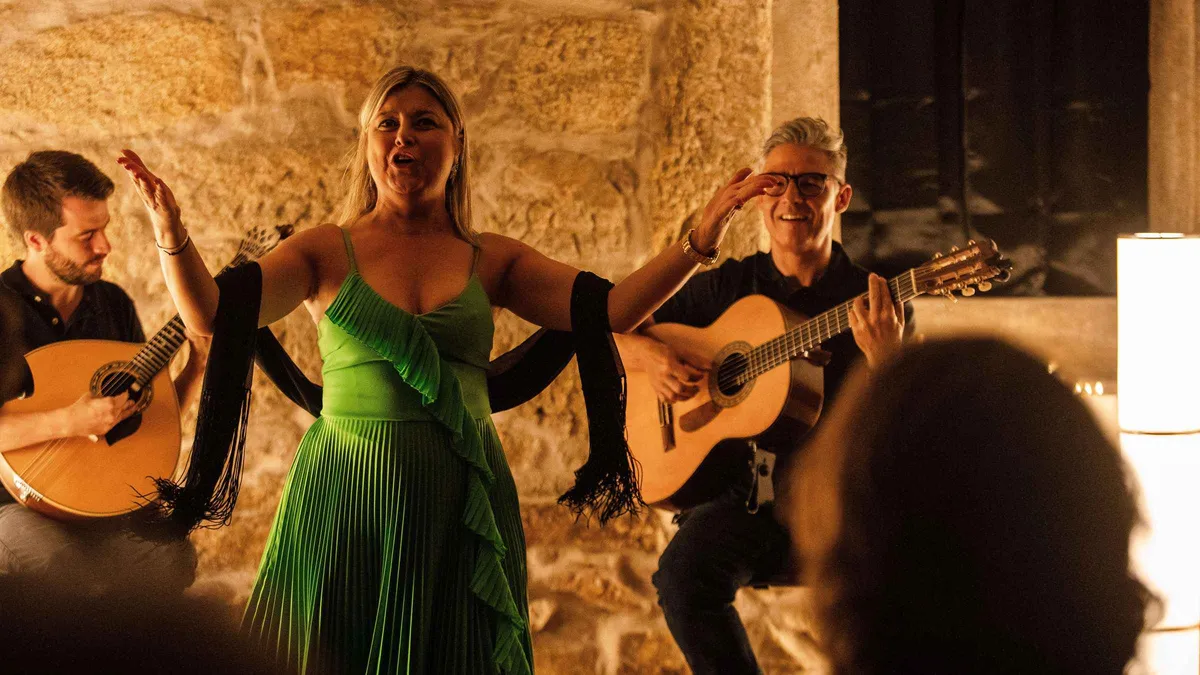
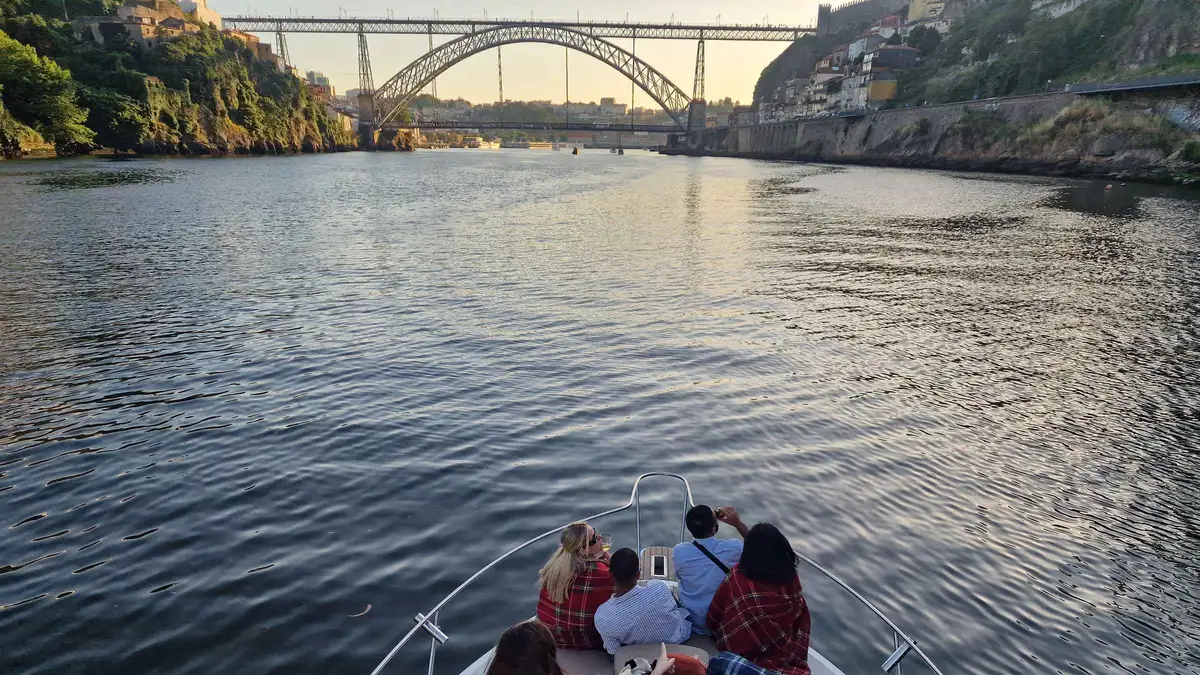
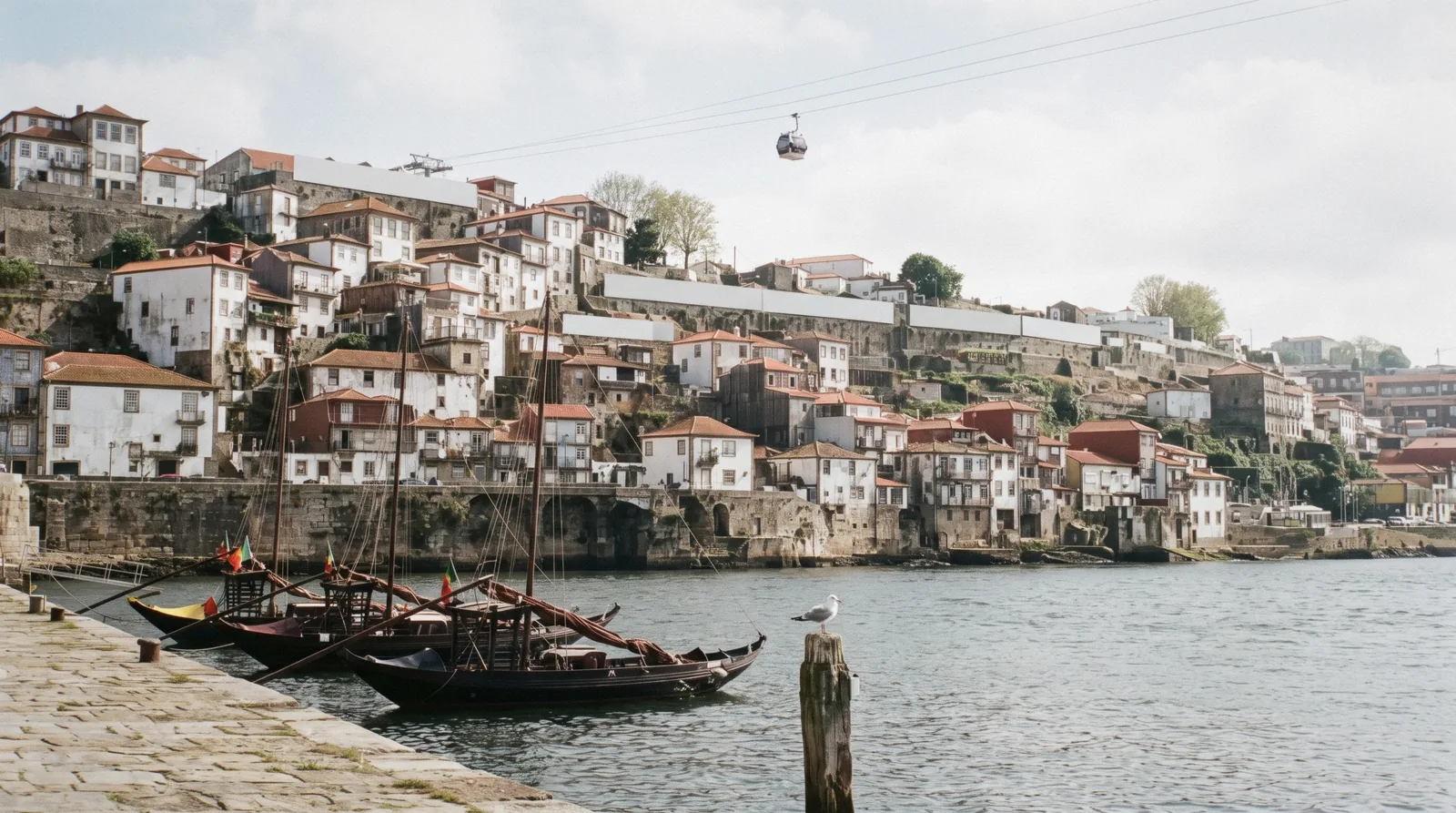
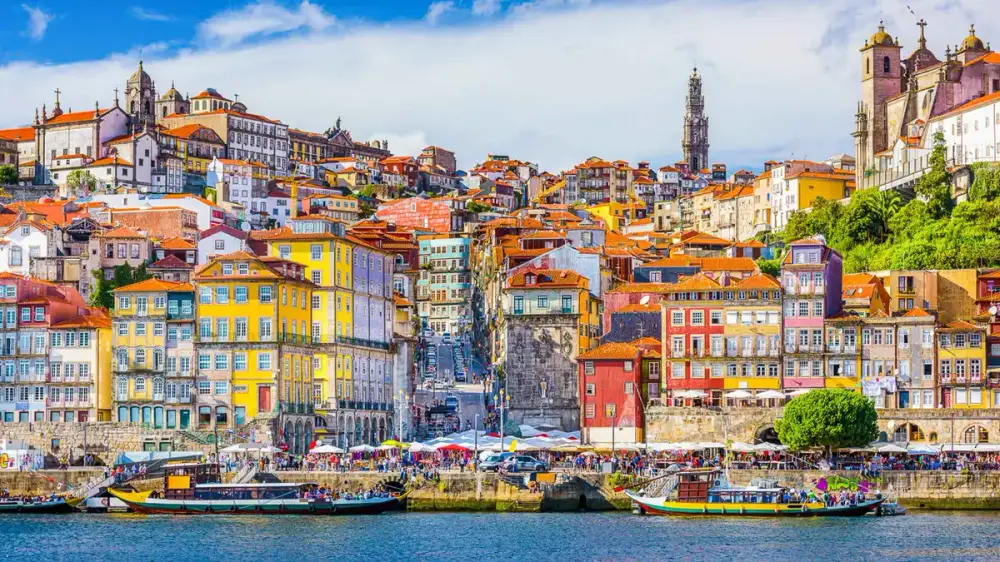
Evening light on the Ribeira houses and the iron arch of the Luís I bridge seen from the Gaia bank, the view that opens a visit to Porto, Portugal
Porto, Portugal: An Independent City Guide
Porto, Portugal is a city where the famous bookshop sells a voucher rather than a ticket, the funicular is shut, the city card's sales page has vanished and the market everyone recommends is closed on Sunday — and most guides still describe the version from before all of that. This one prints the official price, the opening hours and the quarter it was checked beside every fact, so you know which Porto you are booking.
Quick answerThe five prices, the Sunday and Monday traps, and how many nights the city needs
Official prices read in Q3 2026: Livraria Lello sells a $18.54 (€15.95) voucher that is deducted from a book, not an entry ticket; Torre dos Clérigos is $11.62 (€10) for the tower and museum; the Sé cloister is $3.49 (€3); the Palácio da Bolsa is $16.27 (€14) on a mandatory guided tour; a Taylor's cellar visit in Gaia is $29.10 (€25) with three ports and no booking. The Bolhão market closes on Sunday, the state and municipal museums close on Monday, and the Funicular dos Guindais is shut for maintenance with no reopening date. Two full days cover the city; three with the Douro Valley, four or more with Braga, Guimarães or Aveiro.
Key takeaways
Book in this order: a Lello time slot for the first morning, then the Douro Valley day if you take one; nothing else in Porto sells out, and the Clérigos tower is a walk-up most of the year.
The Andante Tour 1 pass is $9.01 (€7.75) for 24 hours on metro and buses; it does not cover the heritage trams at $6.97 (€6) a ride or the Guindais funicular, which is closed anyway.
The Porto.CARD still has an official price leaflet — $8.72 (€7.50) for a one-day walker card — but its sales page redirects to the homepage and no official statement says whether it is on sale; ask at a tourist office before planning around it.
No free museum Sunday for tourists since August 2024
Neighbourhoods
Six areas measured by hills, noise and walk minutes to the river, and the one to pick for a first visit: neighbourhoods compared. Start with Ribeira if the view matters more than sleep.
Ribeira is the UNESCO quay and the loudest place to sleep; Baixa up the hill is flat, central and on the metro
Cedofeita is the gallery-and-café grid north of Clérigos; Foz do Douro is the Atlantic end of tram line 1
Porto charges $3.49 (€3) per person per night for up to 7 nights, children of 12 and under exempt; Gaia charges the same from 21 August 2026: where to stay
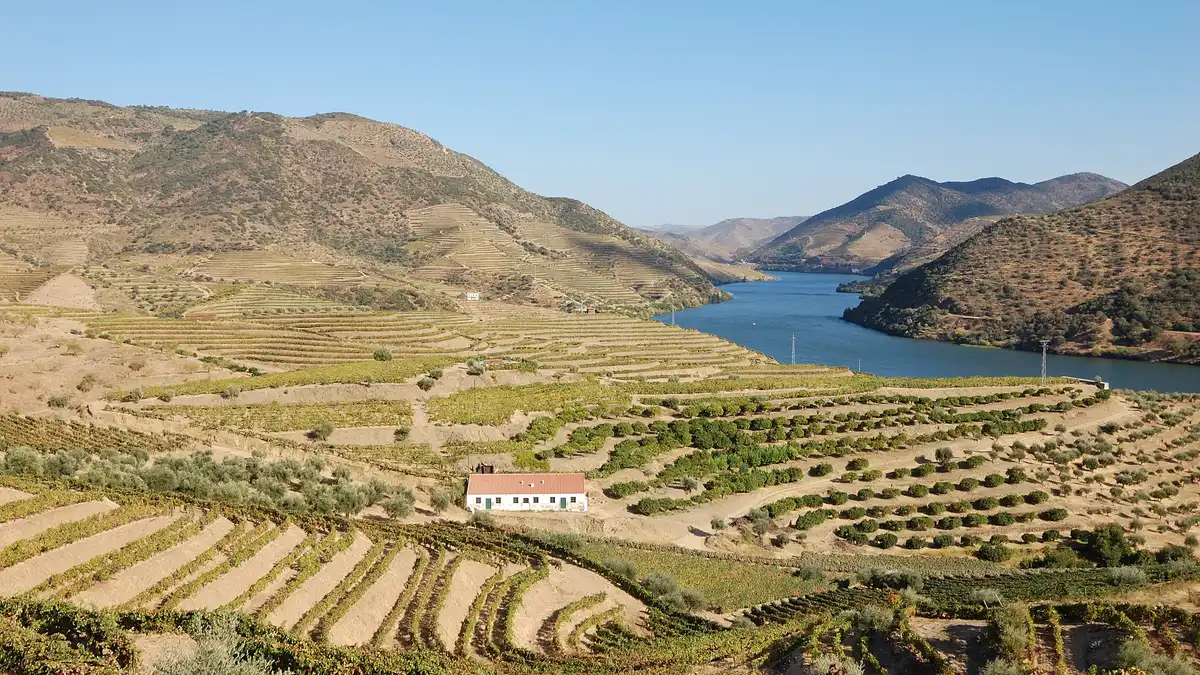
The Douro Valley by the Linha do Douro: $11.74 (€10.10) to Régua, $14.47 (€12.45) to Pinhão on the InterRegional, 2026 fares
Coach days that bundle a boat, a quinta tasting and lunch list at $63.87; the Historical Train runs Régua to Tua on selected days to 18 October 2026 at $69.70 (€60)
Where To Go In Porto: Six Places, In The Order A First Visit Uses Them
Porto is two banks of a river gorge and one flat ridge above them, and the useful plan is a district a session rather than a list of sights. These six are what a first visit actually walks; a single Zone 2 metro ticket is $1.63 (€1.40), and the five city districts are joined by the metro, the riverside tram and the bridge.
The UNESCO quay below the cathedral: tall narrow houses on a medieval street plan, the arcades of the Praça da Ribeira and the lower deck of the Luís I bridge landing in the middle of it. Free to look at, so it costs an afternoon and no tickets.
The Sé at the top of the hill is $3.49 (€3) for the cloister and open every day; the Barredo stairs below it are the oldest street plan in the city
The Funicular dos Guindais that used to lift you back to Batalha is closed for maintenance, so the climb is on foot or by tram 1 along the river
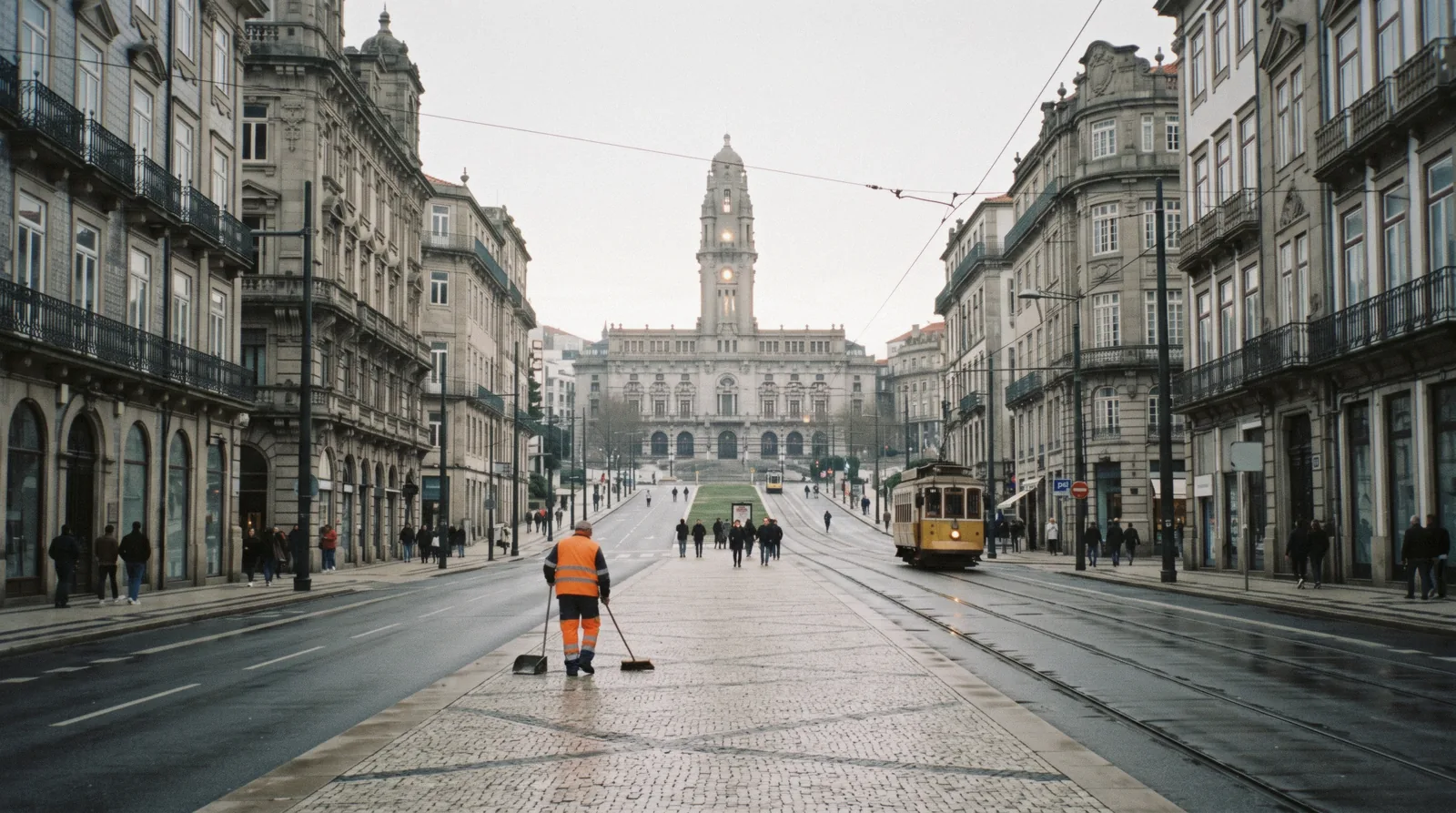
The ridge between São Bento station and the Clérigos tower, with Rua das Flores, the Aliados and the Bolhão inside it. Flat enough for a suitcase, on the metro, and where the ticketed places cluster within a short walk of each other.
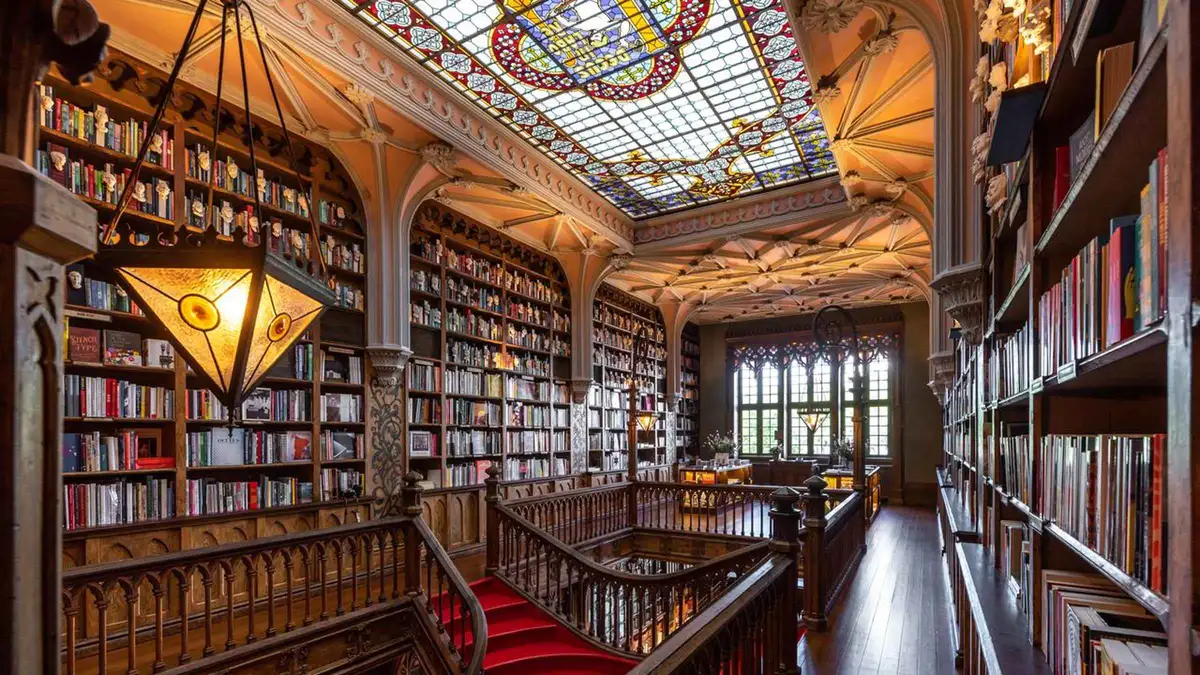
Livraria Lello opens at 9:00 and the first slot is the quiet one; Torre dos Clérigos two streets away is $11.62 (€10) and open to 19:00
North and west of Clérigos: Rua de Miguel Bombarda's galleries, the Soares dos Reis museum, the Crystal Palace gardens on their bluff and Miragaia's riverside lanes below. The part of the centre where residents outnumber visitors, and the free green space the Ribeira lacks.
The Palácio de Cristal gardens are free, 8:00 to 21:00 from April to September and to 19:00 from October to March, and look straight down the river to the sea
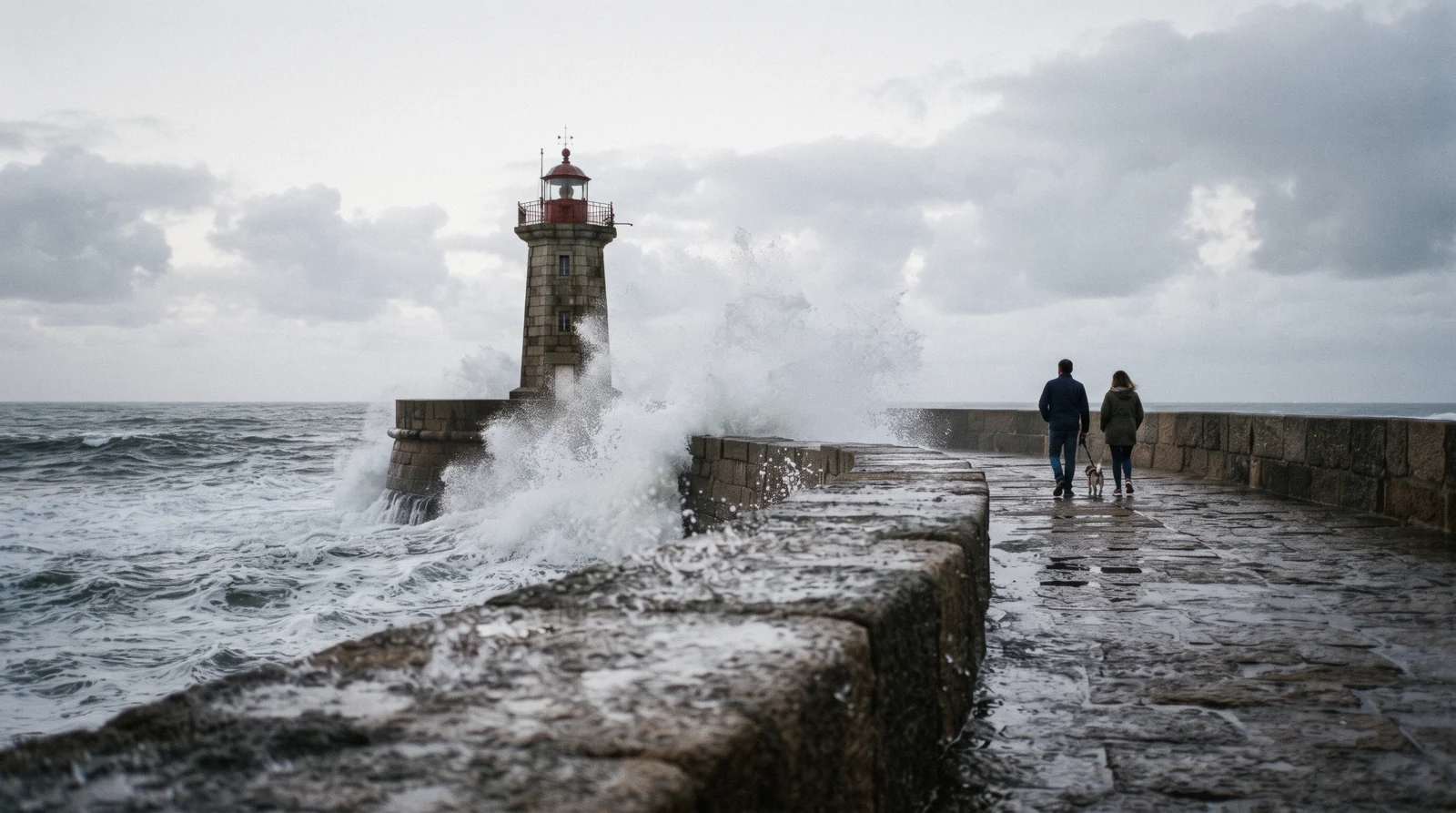
Where the Douro meets the Atlantic, at the far end of the riverside tram line 1: a seafront promenade, four Blue Flag beaches inside the city limits, the Felgueiras lighthouse and the pergola. A half-day, best in the late afternoon.
Tram line 1 runs Infante to Passeio Alegre 8:40 to 20:43 about every 20 minutes at $6.97 (€6) a ride; STCP bus 500 does the same coast road on an Andante ticket
The south bank and a separate city, reached on foot across the upper deck of the Luís I bridge. The port lodges line the quay westwards from the bridge, the Jardim do Morro above it is the sunset terrace, and the cable car links the two levels.
Taylor's is $29.10 (€25) with an audio tour and three ports and takes no bookings; Sandeman runs guided visits from $26.70 (€23), last tours 12:15 and 17:15
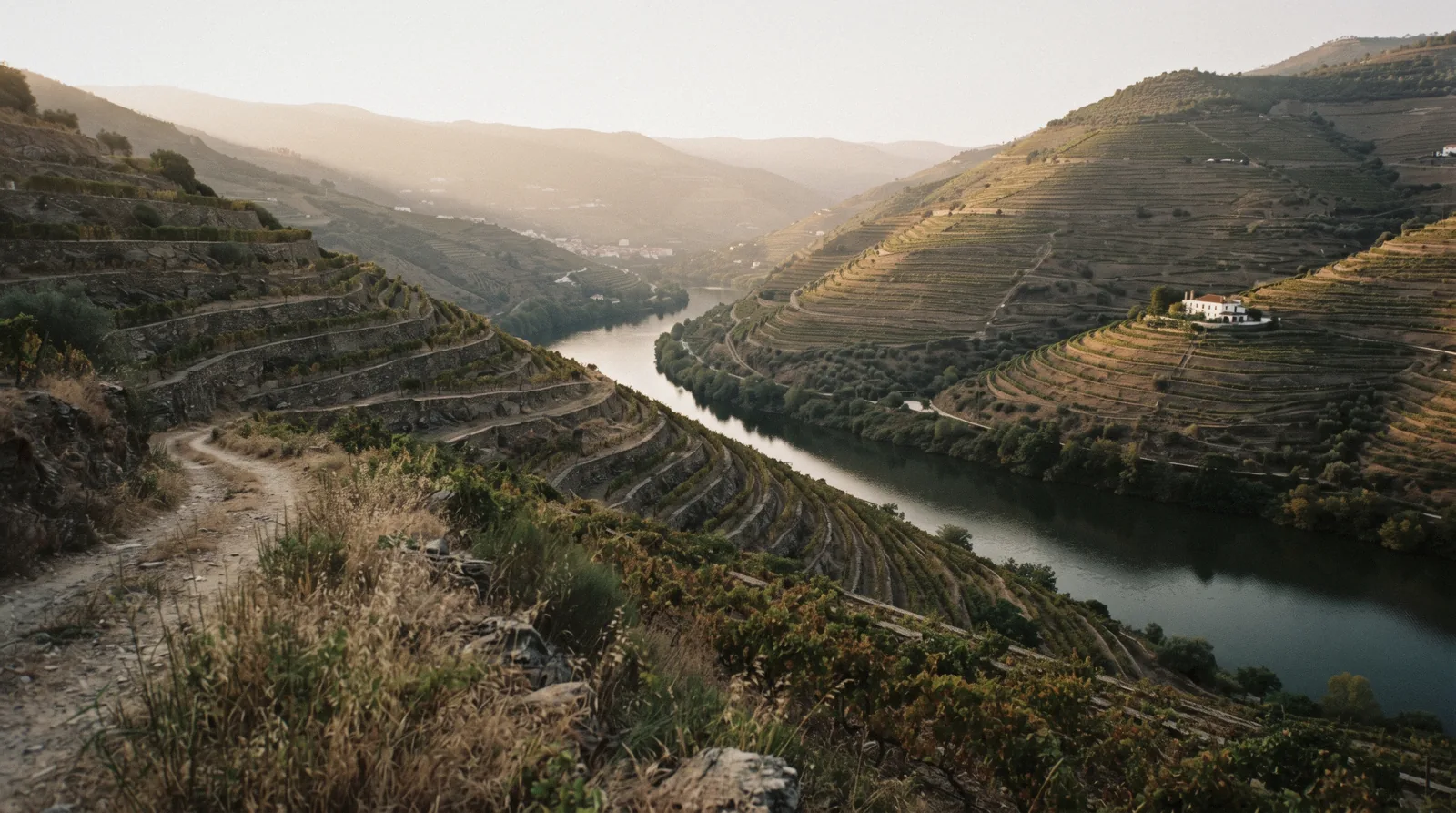
The vineyards that make the wine the city is named for, upriver along the Linha do Douro; CP prints no journey time, so none is printed here. A whole day, by train from São Bento or by coach with a boat and a quinta tasting inside the price.
São Bento to Régua is $11.74 (€10.10) on the Regional and Pinhão $14.47 (€12.45) on the InterRegional; the Historical Train adds Régua to Tua at $69.70 (€60) on selected days to 18 October 2026
Porto must-see list, in the order first-timers actually walk it
Porto is Portugal's second city, 280 km north of Lisbon on the Douro estuary, with 273,476 residents inside a municipality of 41.42 km² and about 1.9 million in the metro area in 2025. Its historic centre, the Luís I bridge and the Serra do Pilar monastery have been one UNESCO World Heritage site since 1996, and the Roman name of the settlement, Portus Cale, is where the word Portugal comes from. The eight places below sit on two loops: the ridge from Lello to the Sé in the morning, the quay and the far bank in the afternoon. Walk them in this order and the only booked slot falls where it belongs.
1. Livraria Lello
The bookshop with the forked staircase, and the one place in the city that needs a booking. What you buy is a Ticket-Voucher, $18.54 (€15.95) from age 4, deducted in full from a Livraria Lello Editions book inside the shop — not from merchandising. Under-4s go in free.
Open 9:00 to 19:30 every day; closed 1 January, Easter Sunday, 1 May, 24 June and 25 December. The FAQ says book up to 30 minutes before closing, the terms say 24 hours ahead; take the first slot of the morning and the question disappears. The Livraria Lello page, the voucher rules and whether it is worth it each have a page; the entry card is above.
2. Torre dos Clérigos
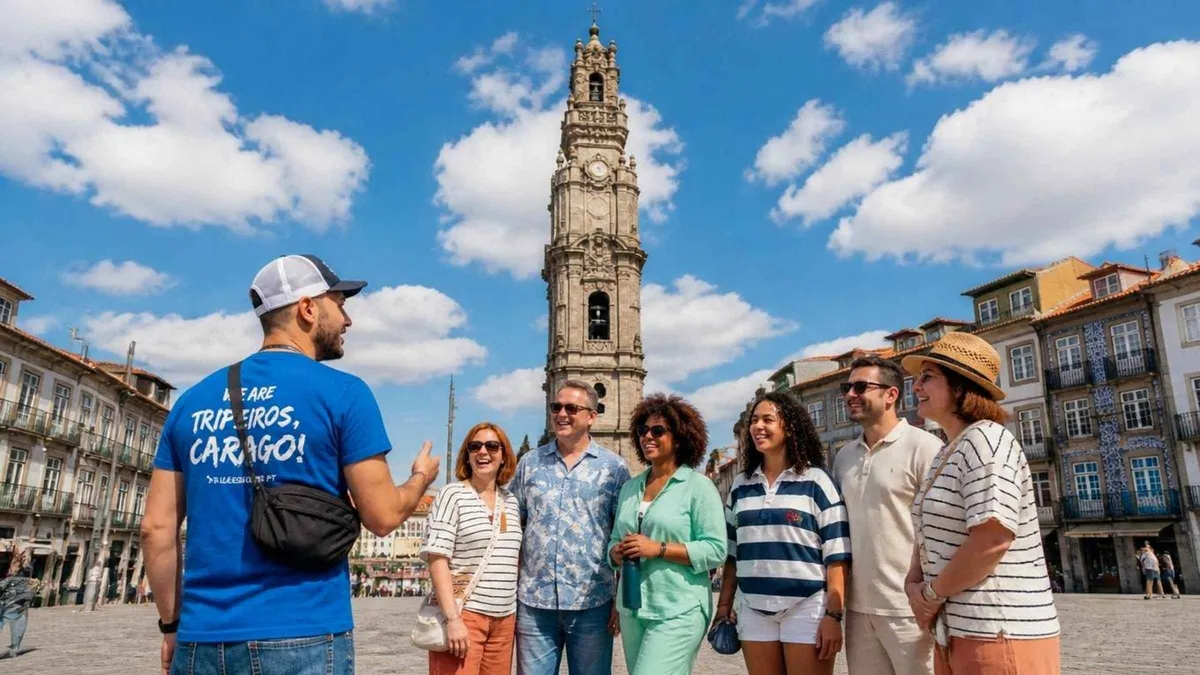
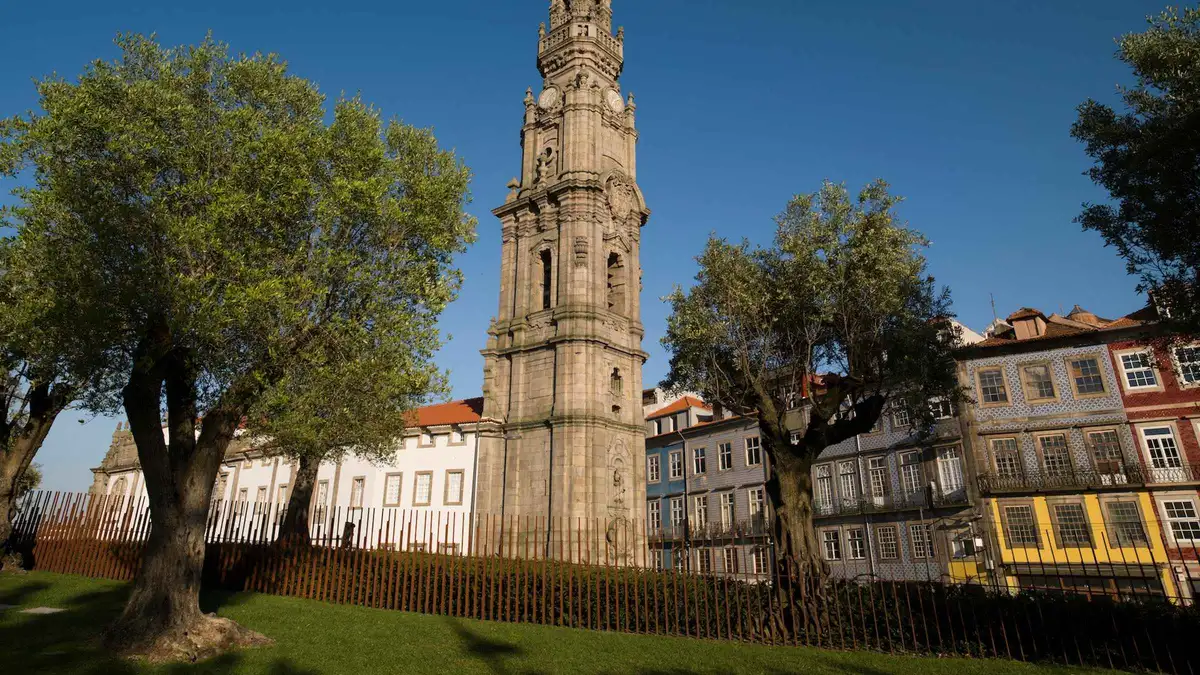
Nicolau Nasoni's baroque bell tower, two streets from Lello and the city's compass needle. $11.62 (€10) for the tower and museum, $8.14 (€7) students, free under 10; open daily 9:00 to 19:00, to 23:00 in the Easter, summer and Christmas seasons, last entry 30 minutes before closing. A $5.81 (€5) tower-only night ticket exists on those dates only, and the official site prints no step count, so neither do we. Booking is optional, which makes this the walk-up between the Lello slot and lunch. The Clérigos page has the night calendar; the entry ticket is the Clérigos card below.
3. São Bento station and the Sé
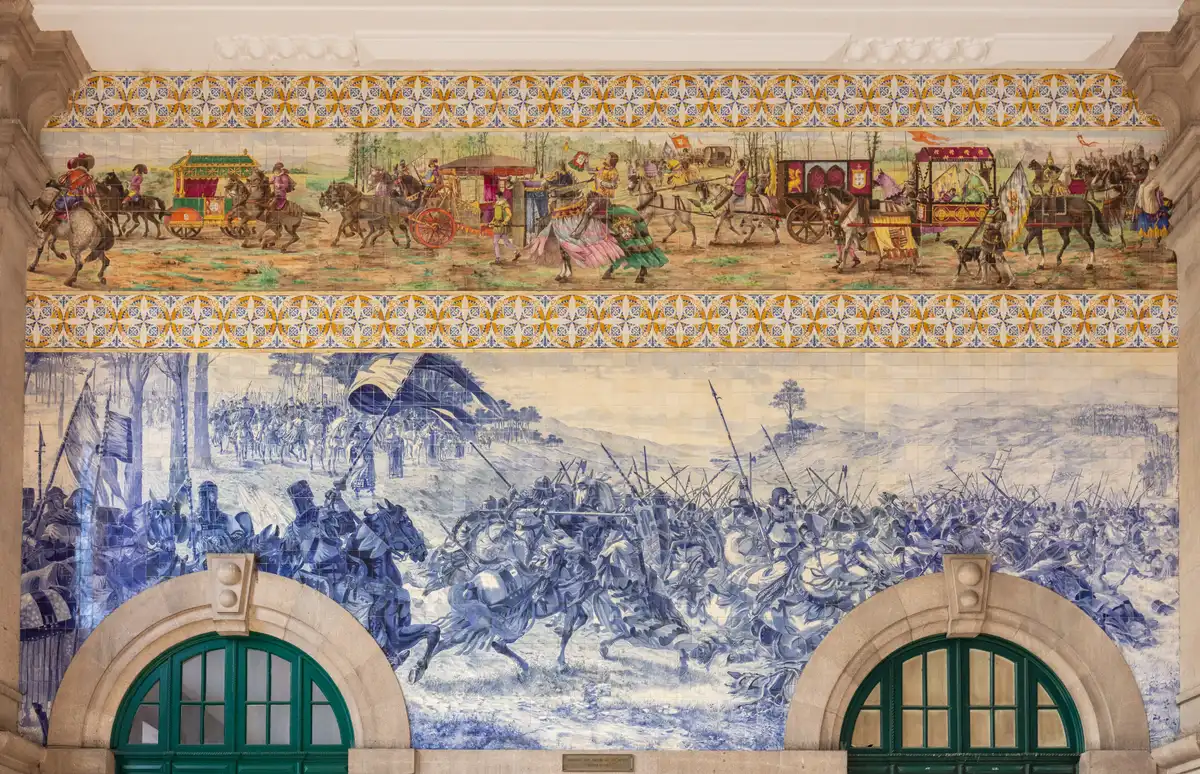
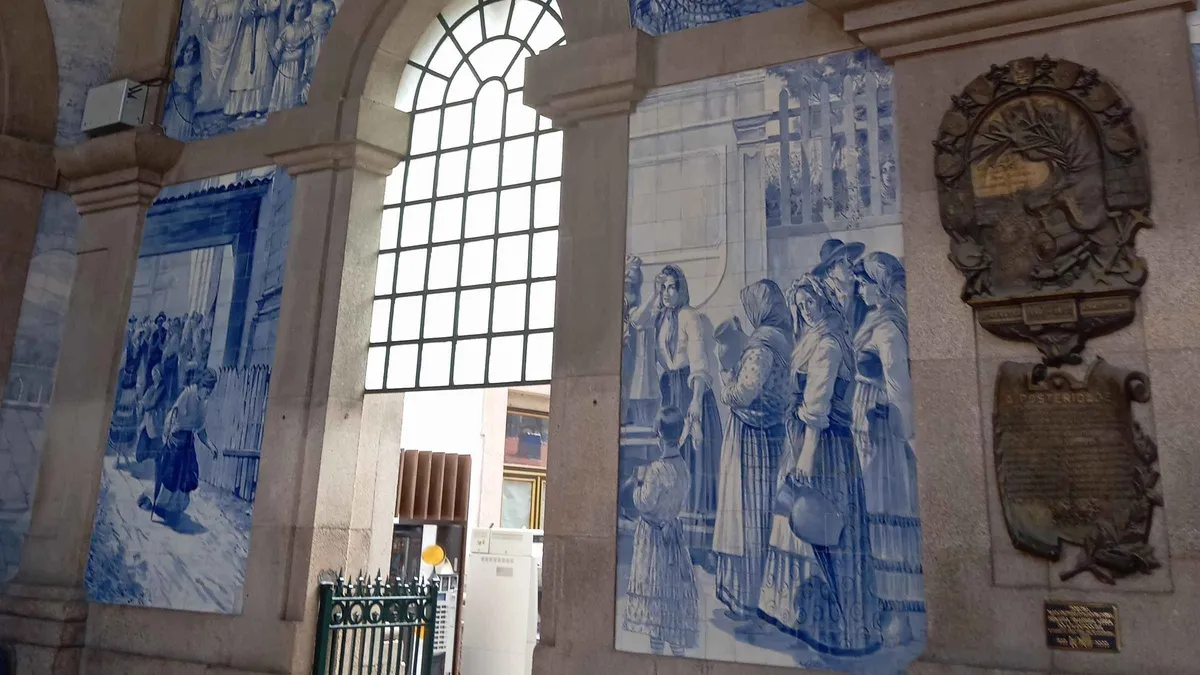
Downhill from Clérigos, the station hall's azulejo panels of battles and harvests are free to walk into with the trains; CP prints no hall hours and no tile count, so the figure blogs quote stays unprinted here. Five minutes up the hill, the Sé is the city's oldest surviving building, a Romanesque fortress-church with a Gothic cloister. The nave is free; the general ticket for cloister, museum and tower is $3.49 (€3), with no per-area split.
Mass is at 11:00; the diocese closes it for Christmas and Easter without printing the dates. São Bento, the cathedral and its ticket each have a page. Hours below are from culturaportugal.gov.pt, read in Q3 2026.
The nineteenth-century stock exchange, worth its price for one room: the Arab Room. Entry is by guided tour only, about 30 minutes, the language assigned by order of arrival from Portuguese, Spanish, French and English, so you may wait for an English group. Adult $16.27 (€14), students and seniors $11.04 (€9.50), under-12 free, 9:00 to 18:30 year-round; an older Portuguese page showed a winter lunch break, so check in winter.
The Clérigos shop sells a $29.10 (€25) combo with the tower and the Misericórdia museum. Next door, São Francisco's gilded interior and catacombs are open 9:00 to 20:00 from April to September and to 19:00 from October to March, closed 25 December, but the official site prints no ticket price, so the São Francisco page says why blogs disagree about it. The Bolsa and its tickets are separate pages.
5. The Ribeira and the Luís I bridge
The quay below the Bolsa is the postcard, and it is free: the Praça da Ribeira, the arcades, the Barredo stairs climbing back to the Sé. The Luís I bridge at its eastern end opened in 1886 to a design by Théophile Seyrig, Eiffel's former partner, with a 172-metre arch then the longest of its type in the world. Both decks are open to walkers, the upper one beside the yellow metro line D with the view; pedestrian passage is guaranteed through metro maintenance, and the bridge closes on São João night, 23 June, from noon to 04:00 for the fireworks.
Its predecessor in memory is the Ponte das Barcas, the pontoon bridge that collapsed under fleeing civilians on 29 March 1809 with about 4,000 deaths; the 1809 disaster, the Ribeira and the bridge have their own pages. The 50-minute six-bridges cruise leaves from this quay.
6. The port lodges of Vila Nova de Gaia
Across the upper deck and down the Gaia side, the lodges where port has been aged since English firms organised the trade in the early eighteenth century; the wine is named for the city because this quay shipped it. Each house sets its own rule: Taylor's takes no bookings, Sandeman and Ferreira run guided visits at set hours with a lunch break, Cockburn's requires a reservation, Graham's publishes lunch and dinner prices but not a standard visit. Ramos Pinto's site is an age-gate shell and Croft's Gaia lodge has no official page, so neither is priced. The port wine cellars page compares all of them; Taylor's is the card above.
Figures below are from the houses' own sites, read in Q3 2026.
Lodge
Standard visit
Hours
Booking
Taylor's
$29.10 (€25), audio tour + 3 ports; child 8–17 $10.46 (€9); under 8 free
cellars 10:00–18:15, tasting room to 19:30
none taken
Sandeman
$26.70 (€23), 50 min, 3 ports
daily 10:00–12:30 and 14:00–18:00; last tours 12:15 and 17:15
timed
Cálem
$25.60 (€22) Classic; child 6–17 $11.62 (€10); under 5 free
not stated on the ticketing page
timed, via Blueticket
Ferreira
$26.70 (€23)
daily 10:00–12:30 and 14:00–18:00
timed
Cockburn's
not stated
April–October 10:00–17:30; November–March 10:00–17:00; closed 25 December and 1 January
reservation required
7. Bolhão market and the Rua de Santa Catarina
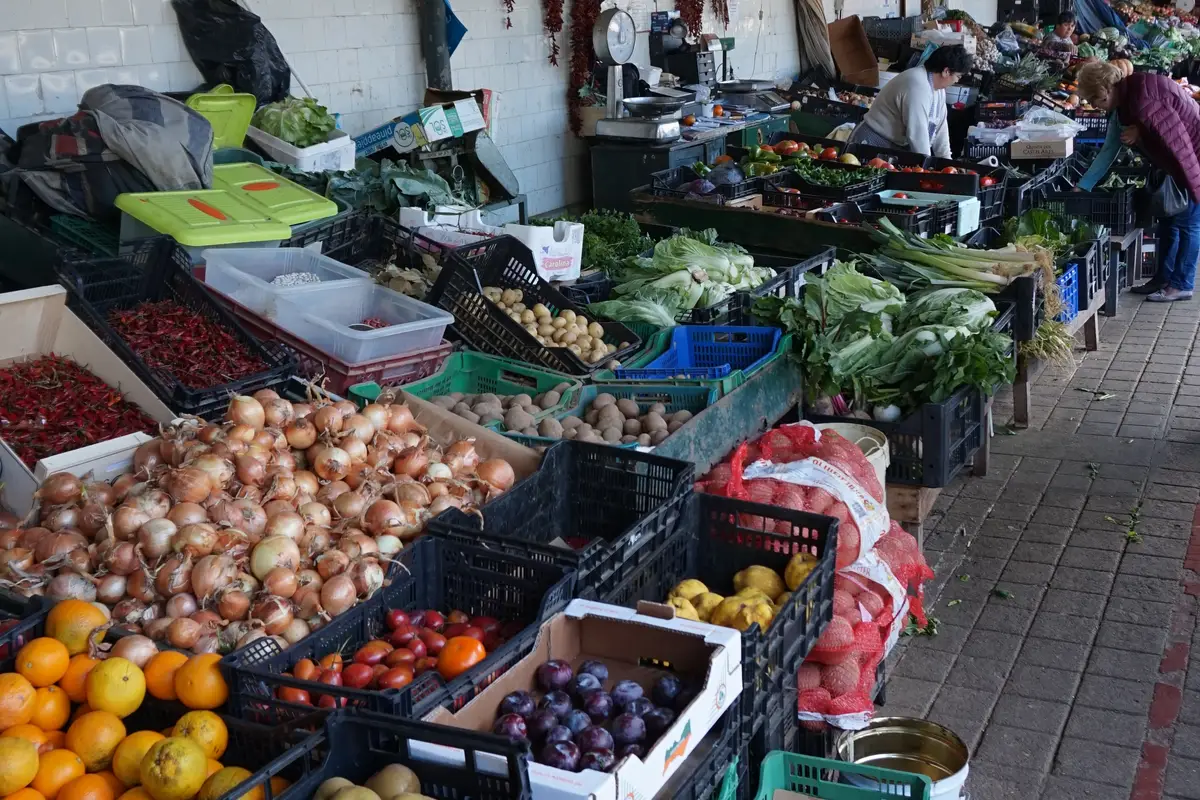
Back on the north bank, the rebuilt covered market: free, Monday to Friday 8:00 to 20:00, Saturday 8:00 to 18:00, the upstairs restaurants to midnight, and closed on Sundays and public holidays — the fact every 'Sunday in Porto' post forgets. Two minutes away on Rua de Santa Catarina, the Capela das Almas wears its blue tiles on the outside and is free between the morning Masses, and the Majestic Café, Monday to Saturday 9:00 to 23:00, prints no prices on its site, so the coffee figure blogs quote is theirs. Bolhão, the Capela das Almas and the Majestic each have a page; where to eat says what to buy at the market and where to sit down with it.
8. Serralves, Foz and the sea
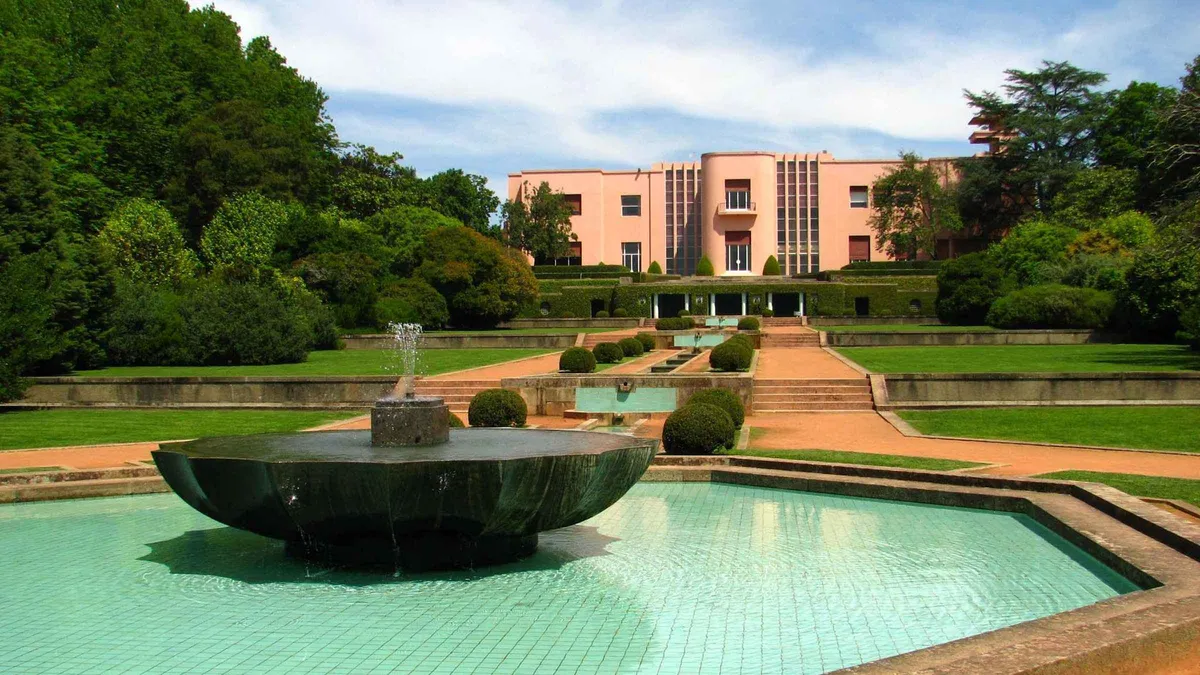
For a second day, west. Serralves is the contemporary art museum, its Art Deco villa and its park on one ticket: $27.90 (€24) for non-residents, $17.43 (€15) for the park alone, half price from 12 to 17, students to 25 and over-65s, free under 12, and free for everyone on the first Sunday of the month; its hours sit behind a script our fetch could not read, so the museums page prints them from a later check. From there the bus or the riverside tram continues to Foz do Douro, the lighthouse and the four Blue Flag beaches inside the city, then Matosinhos and the surf schools. Foz do Douro and the beaches have their own pages.
How many days Porto needs
The counting rule behind this table: one ridge-and-quay day for the ticketed places, one river day for Gaia and the west, and a train day for the Douro. Prices are the official adult fares read in Q3 2026, dollars at €1 = $1.1622.
Days
What fits
Book ahead
Skip
Plan
1 day
Lello at 9:00, Clérigos, São Bento, the Sé, down through the Ribeira, over the upper deck to one Gaia lodge for the sunset
The ridge takes a morning, the quay and a lodge the afternoon, the Douro always a full day. Under four nights, leave Lisbon for another trip: the Alfa Pendular is $41.50 (€35.70) each way in tourist class at the 2026 tariff, and CP publishes no journey time for it; Porto to Lisbon has the comparison.
What people book first
One card per money entity. Prices and ratings are the platform's own figures in Q3 2026; the official price sits in the highlights strip above and the tables on this page so you can see the margin before you click.
from €10
Porto: Torre dos Clérigos Entrance Ticket
listed at $11.61
★★★★★★★★★★4.6(7,316 reviews)· 30 minutes
The daytime climb up Porto's 225-step baroque bell tower, sold by the Irmandade dos Clérigos itself. Backpacks stay in the storage room, and the tower has no lift.
Porto: Livraria Lello Entry Ticket & Foundation Combo Ticket
listed at $34.78
★★★★★★★★★★4.0(8,159 reviews)· Valid 1 day
Timed entry to the Lello bookshop bundled with the Lello Foundation in a renovated monastery 8 km out of town. Non-refundable, and the Foundation is closed Monday and Tuesday, so pick the date carefully.
Taylor's self-guided cellar visit with a QR-code audio guide in 13 languages and three glasses at the end, plus grape juice for children. Bring headphones; the masterclass options need 24 hours' notice.
From Porto: Douro Valley w/ Boat Tour, Wine Tasting & Lunch
listed at $63.87
★★★★★★★★★★4.7(22,496 reviews)· 7 - 10 hours
The most-booked Douro day trip, with 22,000 reviews: a 1959 cooperative winery, a second cellar, cellar lunch with Douro wines, olive oil and an hour on the river. Groups can grow and go bilingual without notice.
The 50-minute Six Bridges loop on a traditional-style boat, the cheapest way onto the river and the most-booked. Audio comes by QR code on your own phone; the 4.2 rating reflects the crowds.
Prices, ratings and details are the platform's own, checked in Q3 2026; dollar figures are the listed prices — the platform bills in your account's currency.
Porto Itineraries: One, Two Or Three Days With The Lello Slot Already Placed
Three plans built on the official opening hours, with the one booked slot placed in the hour it works best.
Ridge first, river second. The Lello slot at 9:00, Clérigos as a walk-up, São Bento and the Sé cloister before lunch, then down the Barredo stairs to the Ribeira and across the upper deck to a Gaia lodge and the sunset from the Jardim do Morro.
9:00 Lello, then Clérigos, São Bento, the Sé, the Ribeira
Upper deck to Gaia, Taylor's without a booking, the terrace above the bridge
Sunday version: Bolhão is closed, so swap it for the Capela das Almas and the Aliados
Day one is the one-day plan with the Bolsa tour added. Day two starts on the Cedofeita gallery street, climbs to the Crystal Palace gardens for the free view down the river, takes the bus to Serralves and finishes on tram 1 to Foz do Douro before dark.
Day 1: Lello, Clérigos, the Sé, the Bolsa tour, Ribeira, Gaia
Day 2: Miguel Bombarda, Palácio de Cristal, Serralves $27.90 (€24), tram 1 to Foz
Monday notes: Soares dos Reis and the municipal museums are closed; Serralves, the lodges and the tower are not
Andante Tour 1 $9.01 (€7.75) · tram 1 $6.97 (€6), not on the pass
The plan most readers use: two city days at the pace above, and a third in the Douro Valley, by train from São Bento with a quinta you arrange yourself, or on a coach day that puts the boat, the tasting and lunch inside one price.
Day 3A: São Bento to Pinhão on the InterRegional, $14.47 (€12.45), a quinta on foot from the station
Day 3B: coach day with a boat, a quinta tasting and lunch, listed at $63.87
Book in this order: the Lello slot, then the Douro coach; the train needs no reservation
3 nights · Régua train $11.74 (€10.10) each way · tourist tax $10.46 (€9) a person
Photo: Ewan Munro, CC BY-SA 2.0, via Wikimedia Commons (creativecommons.org/licenses/by-sa/2.0)Photo: Matt Kieffer, CC BY-SA 2.0, via Wikimedia Commons (creativecommons.org/licenses/by-sa/2.0)
Eating in Porto: the sandwich, the tripe and the wine
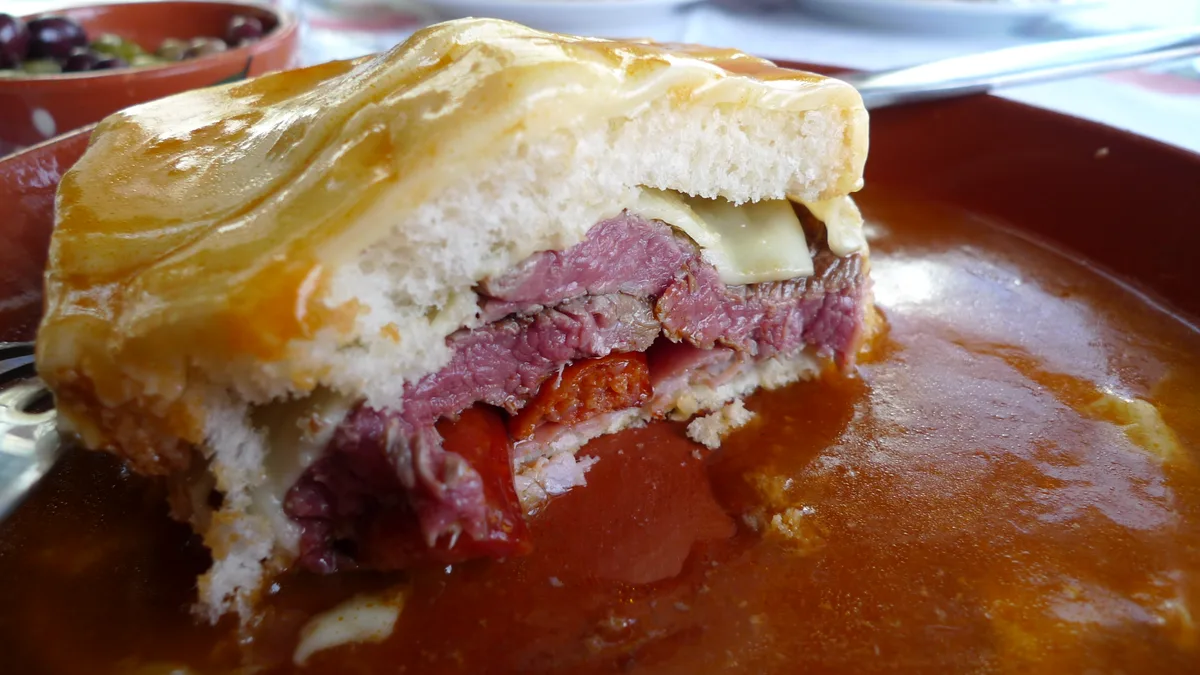
Three things and a rule. The francesinha is a sandwich of steak, sausage and ham under melted cheese, drowned in a tomato-and-beer sauce and usually served with chips and a fried egg; it is a lunch that ends the afternoon, so order it on a day with nothing booked after. Tripas à moda do Porto, tripe stewed with white beans, is the dish that gave the city's people their nickname, tripeiros, from the fifteenth century when the good meat went to the ships.
Port is the city's export and its dessert; the lodges across the river pour it by the flight, and white port with tonic is the terrace drink of the summer. The rule: the bread, olives and cheese that appear unasked are the couvert and are charged if you touch them; send them back untouched and nothing goes on the bill. Tipping is a rounding-up, not a percentage.
The Michelin Guide's 2026 selection lists Antiqvvm with two stars, one-star rooms including Le Monument, Blind, dop, Pedro Lemos, Vila Foz, In Diferente, Euskalduna Studio and Gastro by Elemento, and OMA among the Bib Gourmands; the Portuguese coeliac association certifies Com Cuore, Happy Cookie, Glutenfreak and Take Away sem glúten inside the city. Where to eat names the places by source; food tours compares the guided walks, of which the three-hour tasting walk is the one most readers pick.
The dates that change the trip
Six fixtures, all read on the official pages in Q3 2026. The Funicular dos Guindais is closed for maintenance with no reopening date, after a five-month closure earlier in the year, so the climb from the quay is on foot or by tram. The Serra do Pilar monastery is closed for works with no date either; the culture ministry's page still prints its prices as if it were open, which is how it ends up in itineraries.
The Porto.CARD's official sales page redirects to the tourism board's homepage; the price leaflet is still served, third-party sites report the transport version withdrawn at the end of March 2026 and all sales suspended from early July 2026, and no official statement confirms or denies it. The free museum Sunday ended for tourists on 1 August 2024, replaced by 52 free days a year for residents only; Serralves keeps its own first-Sunday rule. The Andante, STCP and CP tariffs are annual from 1 January 2026, so a revision is due on 1 January 2027.
São João, the night of 23 to 24 June, closes the bridge from noon, runs until 04:00 with fireworks at midnight, and makes 24 June a municipal holiday when Soares dos Reis is shut. The full calendar is on the best time to visit; closed days are on Monday openings.
What actually goes wrong
Five things, none of them dramatic. The Bolhão market is closed on Sunday and the Majestic Café with it, so the Sunday plan is the Sé, the lodges and the river, not the shopping streets. Someone walks up to the Lello door on a summer afternoon without a voucher and can find the next slot hours away; buy the first slot of the day online and the shop is yours at 9:00.
The heritage tram costs $6.97 (€6) a ride and takes no Andante Tour pass, which the tariff prints as 'except trams and funicular' and almost nobody reads, so the two-day tram ticket at $13.95 (€12) is the honest way to ride it more than once. The couvert on a restaurant table is charged the moment you touch it. And the hills are real: the Ribeira to the Sé is a stair, the Guindais funicular that used to spare it is shut, and a hotel on the quay is a taxi from the station with a suitcase, not a walk.
The emergency number is 112, and the tourist police station at Praça de Pedro Nunes 16 answers +351 222 461 190 from 08:00 to midnight in English. Safety and scams goes deeper, and getting around has the pass rules in full.
Photo: Rosino, CC BY-SA 2.0, via Wikimedia Commons (creativecommons.org/licenses/by-sa/2.0)Photo: Ivan Stesso, CC BY-SA 4.0, via Wikimedia Commons (creativecommons.org/licenses/by-sa/4.0)
Porto month by month
Mean daily maximum temperature by month from the IPMA 1991–2020 climate normal for Porto / Pedras Rubras, the airport station and the only one IPMA publishes for the city, in Celsius with Fahrenheit underneath. The bands below the bars come from the rain-day count, the festival calendar and the venue hours, not from opinion.
14°C57°F
JanuaryJan
15°C59°F
FebruaryFeb
17°C63°F
MarchMar
18.1°C65°F
AprilApr
20.3°C69°F
MayMay
22.7°C73°F
JuneJun
24.3°C76°F
JulyJul
24.8°C77°F
AugustAug
23.5°C74°F
SeptemberSep
20.7°C69°F
OctoberOct
16.8°C62°F
NovemberNov
14.7°C58°F
DecemberDec
Comfortable for the hills and the bridge walk
Peak crowds; São João on 23 June, Clérigos open to 23:00
Wettest stretch — 149 to 166 mm a month, 11 to 13 rain days
Shoulder: ten rain days but the lodges and Lello are quiet
IPMA climate normal 1991–2020, Porto / Pedras Rubras. Annual mean 15.3°C (60°F) and 1,146.9 mm of rain a year on 105.4 days, 165.9 mm of it in November and only 16.6 mm in July; August averages 3.5 days above 30°C and the record is 38.6°C (101°F) on 7 August 2016. January lows average 6.4°C (44°F), August lows 15.7°C (60°F). IPMA publishes no sea-temperature normal for Porto, so none is printed. Month-by-month crowd notes are on the best time to visit.
Crowds, closures and free days by month
What the calendar does to each month, from the official pages: no free Sunday for tourists at the state museums since 1 August 2024, Serralves free on the first Sunday, date-banded hours at the Sé and the cable car, and the IPMA rain-day count that says which months need a museum plan.
Month
Crowds
Closures and free days
Weather
January
Low
1 January closes Lello and Soares dos Reis; Clérigos 11:00–19:00
13 rain days, highs 14°C
February
Low
Winter hours at the Sé (to 17:30) and São Francisco (to 19:00)
10 rain days, highs 15°C
March
Rising
Cable car to 19:00 from 24 March; free Bolsa visits on 25 March sell out; Porto.CARD transport version reportedly withdrawn at month end
10 rain days, highs 17°C
April
Rising
Summer hours at the Sé and São Francisco from 1 April; Easter Sunday closes Lello and Soares dos Reis; Clérigos to 23:00
10 rain days, highs 18°C
May
High
1 May closes Lello and Soares dos Reis; Queima das Fitas student week, 2–9 May 2026
9 rain days, highs 20°C
June
Peak
São João night 23–24 June closes the bridge from noon; 24 June closes Lello and Soares dos Reis; bathing season from 13 June
5 rain days, highs 23°C
July
Peak
Clérigos to 23:00 all summer; buy the morning Lello slot; Porto.CARD sales reportedly suspended from early July
3 rain days, highs 24°C
August
Peak
Warmest month; Serralves late-afternoon ticket $17.43 (€15) from 17:00, 3 August to 30 September
3 rain days, highs 25°C
September
High
Cable car to 19:00 from 25 September; bathing season ends 13 September
6 rain days, highs 24°C
October
Falling
Winter hours at the Sé and São Francisco from 1 October; last Historical Train 18 October
11 rain days, highs 21°C
November
Low
Wettest month; cable car to 18:00 from 25 October; marathon 8 November, 08:00 start
13 rain days, highs 17°C
December
Low
25 December closes Lello, the cable car, Cockburn's and Soares dos Reis; Clérigos 11:00–19:00 on the day
12 rain days, highs 15°C
Rain days are IPMA days with at least 1 mm, rounded. Closed days per site are on the tickets index; the Monday and Sunday plan is on Monday openings.
Photo: Diego Delso, CC BY-SA 4.0, via Wikimedia Commons (creativecommons.org/licenses/by-sa/4.0)Photo: Diego Delso, CC BY-SA 3.0, via Wikimedia Commons (creativecommons.org/licenses/by-sa/3.0)
Getting around Porto: metro zones, trams, the funicular and the airport
The metro has six lines and runs 06:00 to 01:00 on all of them; it opened in 2003 and the yellow line D crosses the Douro on the upper deck of the Luís I bridge. Everything below is the 2026 intermodal tariff in force since 1 January 2026, read on the STCP tariff poster and metrodoporto.pt in Q3 2026; the English metro fares page still shows 2024 prices, so do not trust it.
The fares that matter, on one Andante card
Buy a $0.70 (€0.60) Andante Azul card at any metro machine and load it with zone tickets; one card per person, validated before every boarding and every change of vehicle. Z2 is the zone you board in plus its neighbours for an hour, and every extra ring adds 15 minutes; the centre is Z2, the airport Z4. The Andante Tour passes are the tourist product, 24 or 72 consecutive hours across the whole network, with one exclusion in small type: 'except trams and funicular'.
Paying on board a bus is $2.91 (€2.50), by card since 26 January 2026. Under-4s ride free; the fine for an unvalidated ticket is €120 to €350.
Fare, 2026
Price
Approx. USD
Covers
Andante Azul card
€0.60
$0.70
The rechargeable card itself, one per person
Single Z2
€1.40
$1.63
1 hour, metro and STCP buses inside the centre
Single Z3
€1.85
$2.15
1 hour, one more ring — Serralves, Matosinhos
Single Z4
€2.30
$2.67
1 h 15, the airport ride
Andante 24 Z2
€5.35
$6.22
24 hours in the centre zones
Andante 24 Z4
€8.55
$9.94
24 hours including the airport
Andante Tour 1
€7.75
$9.01
24 h, whole network; not trams, not the funicular
Andante Tour 3
€16.55
$19.23
72 h, whole network; same exclusions
Bus, paid on board
€2.50
$2.91
That bus only; card or cash
Heritage tram, lines 1, 18, 22
€6 / 2-day €12
$6.97 / $13.95
Trams only; child €3.50 / €6
Funicular dos Guindais
€4 single / €6 return
$4.65 / $6.97
Closed for maintenance in Q3 2026, no date
Gaia cable car
€7 single / €10 return
$8.14 / $11.62
Not Andante, not Porto.CARD
Francisco Sá Carneiro Airport to the centre
The airport is 15 km north-west of the centre, handled nearly 17 million passengers in 2025 and is the end of the violet metro line E. A Z4 ticket at $2.67 (€2.30) reaches Trindade with no surcharge; first train 06:06, last 00:42, every 15 minutes from 07:00 to 20:00 on the September 2026 sheet, and the only journey time in print is the metro's own 2016 figure of 22 minutes to Casa da Música and 27 to Trindade. STCP buses 601 and 602 run 05:30 to midnight about every 25 minutes, and the 3M night bus hourly from 00:30 to 05:30. The airport's own site returned nothing to our fetch, so taxi tariffs are not printed here.
From the sea inland: the Arrábida bridge, the largest concrete arch in the world when it opened; the Luís I of 1886 for walkers and the metro; the Infante Dom Henrique of 2003, which took the road traffic; Eiffel's Maria Pia railway bridge of 1877, unused beside the São João that replaced it; and the Freixo motorway bridge. The six-bridges cruise counts them from the water in 50 minutes; the lower deck of the Luís I does the crossing for nothing. Trams have run here since 1895, the first in Iberia, and three heritage lines survive on a fare no pass covers.
Do not drive in the centre: the getting-around page explains the hills and why walk-plus-metro wins.
Neighbourhoods: where the city actually lives
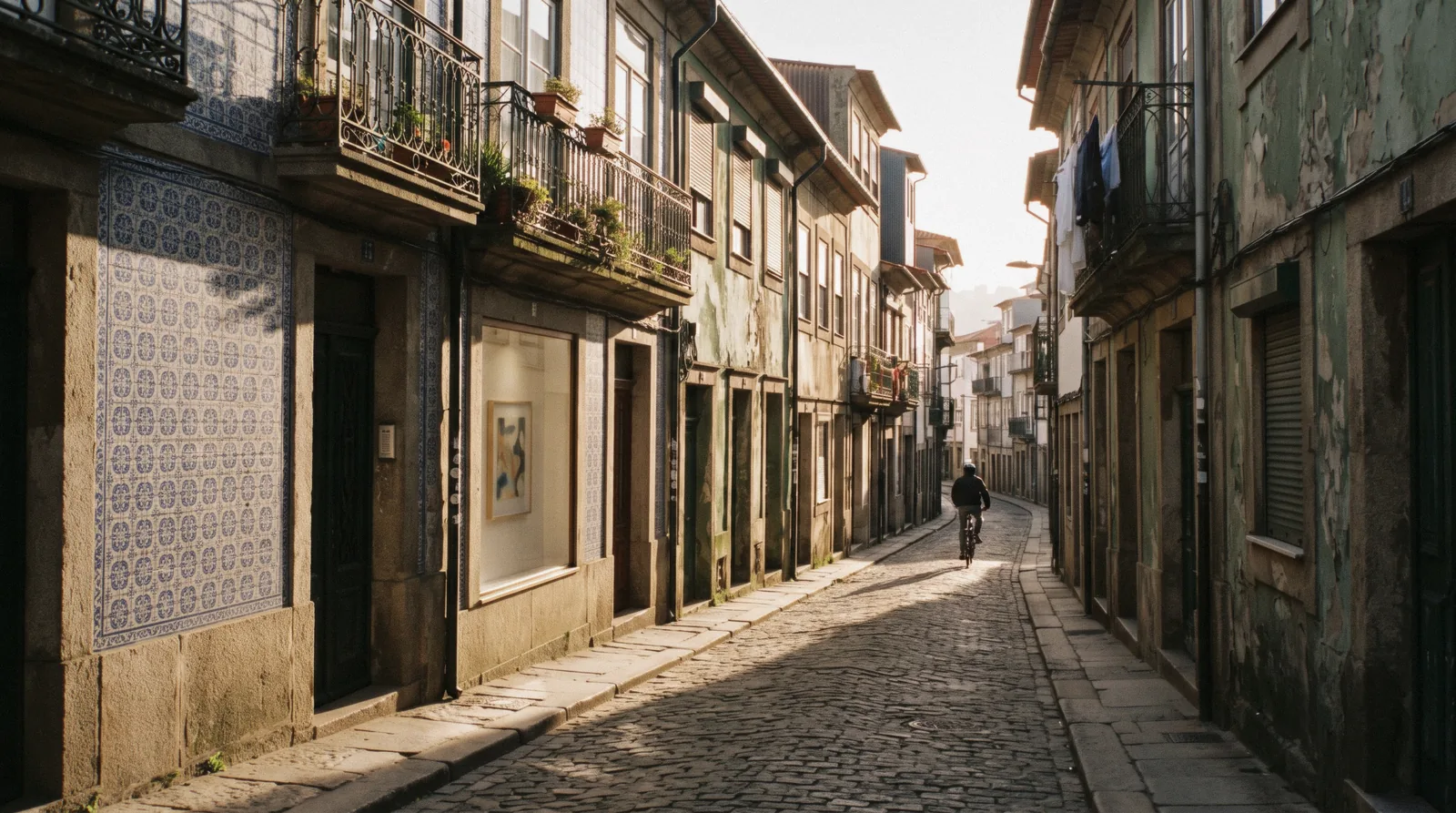
Ribeira is the UNESCO quay, the oldest street plan and the one to see first; it is also stairs and evening noise from the terraces, a fine base for two nights and a poor one for a week. Baixa is the ridge above it, flat along the main streets, on the metro, and where the ticketed places cluster, which makes it the best all-round base for a first visit. Cedofeita, north and west of Clérigos, is the gallery street and the café grid where residents outnumber visitors, the indie-guide pick for a longer stay; Miragaia below it is the calmer riverside lane west of the quay.
Bonfim, east of the station, is the cheaper residential side on the metro at Campanhã and Heroísmo. Foz do Douro is the seaside village at the end of tram line 1, for beach mornings rather than museum days. Vila Nova de Gaia across the bridge is a separate city with its own $3.49 (€3) nightly tax from 21 August 2026, and the lodge quay is where you sleep for the view of Porto rather than the view from it.
Do and don'ts in Porto, and the four questions everyone asks
Do wear shoes with grip: the granite pavements are polished smooth and wet for a third of the year, and the Ribeira stairs turn sandals into a hazard. Do book the Lello slot for 9:00 and do not treat the voucher as a ticket; it is a credit against a book. Do send the couvert back untouched if you do not want it, and do not expect a service charge on the bill.
Do learn two words, bom dia and obrigado, or obrigada if you are a woman. Do not speak Spanish as a shortcut; it is understood and not welcomed. Can you speak English in Porto?
Yes, everywhere a visitor goes, from the ticket desks to the tourist police at Praça de Pedro Nunes. Is Porto worth visiting? On the numbers, a UNESCO old town where five of the eight first-day stops cost nothing, a $2.67 (€2.30) airport metro and a $11.74 (€10.10) train to the Douro; what it is not is flat, and the honest case and the case against has its own page.
Which is nicer, Porto or Lisbon? Porto is smaller, cheaper on tickets and walked in two days; Lisbon has the bigger monuments and the coast, and the Alfa Pendular joins them for $41.50 (€35.70) each way, so the answer is both, argued dimension by dimension. What is Porto best known for?
The wine that carries its name, the bridge, the tiles, the bookshop and the sandwich, in roughly that order of fame and the reverse order of cost. The scams, the São João rules and the dress code in churches are on safety and scams.
Photo: Alvesgaspar, CC BY-SA 4.0, via Wikimedia Commons (creativecommons.org/licenses/by-sa/4.0)Photo: Diego Delso, CC BY-SA 3.0, via Wikimedia Commons (creativecommons.org/licenses/by-sa/3.0)
What Porto costs and pays in
The currency is the euro and cards are taken nearly everywhere, including every STCP bus since January 2026. The clock is WET in winter and WEST in summer, the same as London and one hour behind Spain, which catches people arriving from Vigo or Madrid. Two things the city adds to a first visit that the hotel rate does not show: the municipal tourist tax and the ticket bill.
Tourist tax per person per night
Porto charges $3.49 (€3) per person per night, collected by the hotel or host, for up to 7 nights, children of 12 and under exempt, since 1 December 2024; a week for two is capped at €42 (about $48.80). Medical stays, disability of 60 percent or more and pilgrims' first night in the city hostels are exempt. Vila Nova de Gaia's Taxa de Cidade is $3.49 (€3.00) from 21 August 2026; its page prints no cap and no exemptions, so we print none.
A first-timer's two-day ticket bill
Official adult prices as published in Q3 2026. The Porto.CARD leaflet promises 25 percent off Clérigos and the Bolsa, €1 off the Sé and 20 percent off Serralves for $8.72 (€7.50) a day as a walker: €7 off the first day against a €7.50 card, €11.80 off two days against the $13.95 (€12) two-day card — a wash either way, if it can be bought, which its vanished sales page leaves open. The Porto.CARD page carries the leaflet grid and the status as it stands.
Ticket
Official price
Approx. USD
Day
Livraria Lello voucher (returned as a book)
€15.95
$18.54
1
Torre dos Clérigos, tower + museum
€10
$11.62
1
Sé cloister, museum and tower
€3
$3.49
1
Palácio da Bolsa guided tour
€14
$16.27
1
Taylor's cellar visit, 3 ports
€25
$29.10
1
Serralves, all spaces, non-resident
€24
$27.90
2
Tram 1 to Foz, single
€6
$6.97
2
Andante Tour 1, 24 hours
€7.75
$9.01
2
Sample day budget
A first day in the centre runs $79.00 (€67.95) in tickets and tastings and nothing for transport, because it is walked; a Foz-and-Serralves day about $43.90 (€37.75) with the pass and the tram; a Douro day $23.50 (€20.20) for the Régua train there and back, or $63.87 to $145.17 for the platform's coach days. Food and rooms by price band, and the live exchange rate, are on Porto costs.
Out of the city for a day: the Douro, the Minho and the lagoon
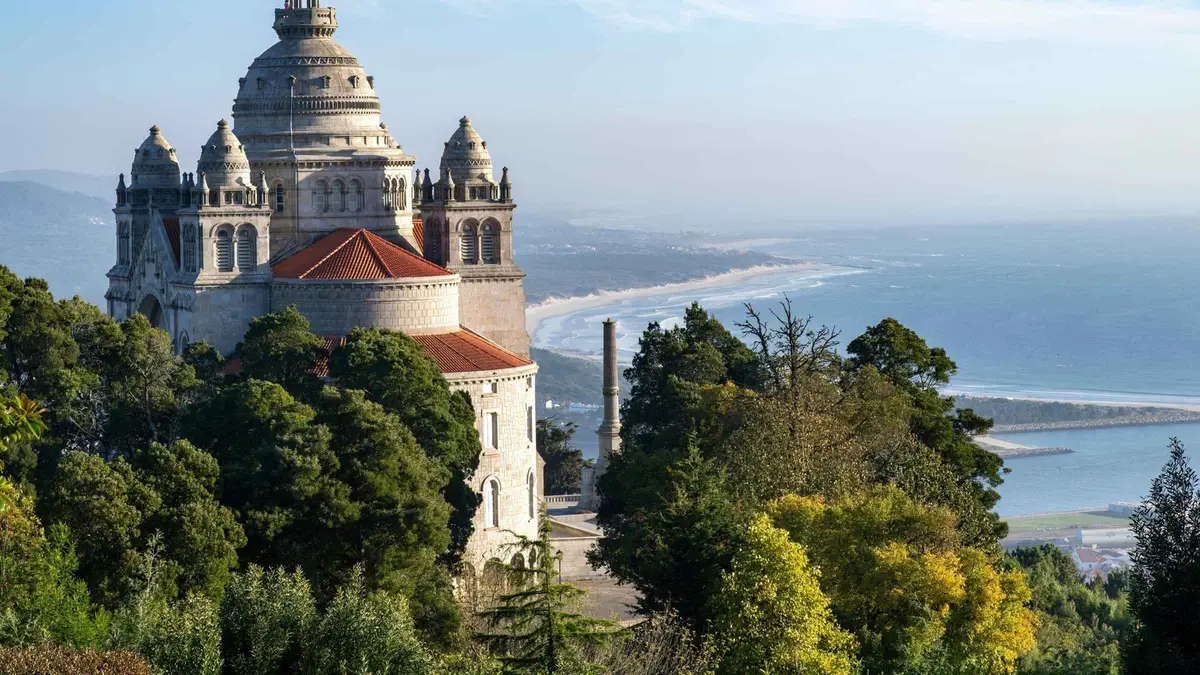
The Douro Valley is the day trip every first-timer takes, and the coach cards below bundle the boat, a quinta tasting and lunch that the $11.74 (€10.10) Régua train leaves to you. Braga and Guimarães, the sanctuary staircase and the castle where the country began, are urban-train fares from Porto and a coach day if you want both with lunch; Aveiro's canals are an Alfa Pendular stop at $19.76 (€17) or a coach that adds the striped houses of Costa Nova; Santiago de Compostela is a long day across the border. Prices are the platform's in Q3 2026.
from €55
From Porto: Douro Valley w/ Boat Tour, Wine Tasting & Lunch
listed at $63.87
★★★★★★★★★★4.7(22,496 reviews)· 7 - 10 hours
The most-booked Douro day trip, with 22,000 reviews: a 1959 cooperative winery, a second cellar, cellar lunch with Douro wines, olive oil and an hour on the river. Groups can grow and go bilingual without notice.
From Porto: Viana do Castelo, Braga and Guimarães Day Tour
listed at $45.29
★★★★★★★★★★4.7(1,545 reviews)· 10.5 hours
Three cities in ten and a half hours — Viana do Castelo, Braga and Guimarães — for the lowest price on this page, with headsets and a separate driver. Monuments are seen from outside, and lunch is on you.
Porto: Aveiro, Cruise, Costa Nova & Capela da Pedra Full Day
listed at $48.78
★★★★★★★★★★4.7(1,709 reviews)· 8.5 hours
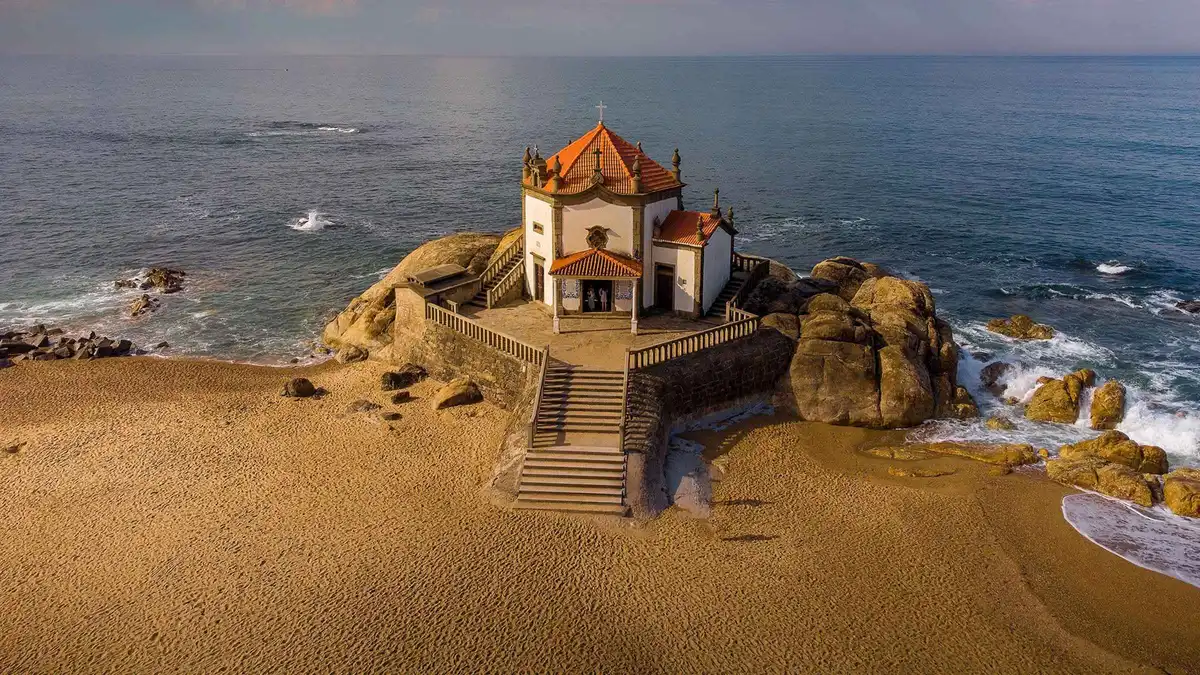
Aveiro's canals by moliceiro boat, then Costa Nova's striped houses and the chapel on the rocks at Miramar, back in eight and a half hours. Meals are not included; the no-cruise option is cheaper.
Across the border to Santiago de Compostela with a stop in the fortress town of Valença, back the same evening. Lunch is not included, and parts of the cathedral are closed for restoration.
Prices, ratings and details are the platform's own, checked in Q3 2026; dollar figures are the listed prices — the platform bills in your account's currency.
Pick a neighbourhood before a hotel
Every area worth sleeping in is inside a 25-minute walk or a short metro ride of the Sé, so the choice is about stairs, noise and mornings, not distance: Baixa for a first visit, Cedofeita or Bonfim for a week, the Ribeira only if the view is worth the terraces under the window, Gaia if you want to look at Porto rather than out of it, Foz if the beach is the point. The $3.49 (€3) nightly tax applies on both banks, Porto's capped at 7 nights. Where to stay puts the areas side by side with walk minutes, and the hotel search opens on that page, not here.
Evenings: fado, the river and a food walk
Three ways to spend the hours after the tower closes, each a card most readers on this site end up comparing. Fado is sung in small rooms in the centre from the early evening, the cruises leave from the Ribeira and Gaia quays with a sunset option in summer, and the food walks start in the late afternoon and replace dinner. Prices are the platform's in Q3 2026.
from €20
Porto: Live Fado Show with Glass of Port Wine
listed at $23.23
★★★★★★★★★★4.8(6,931 reviews)· 1 hour
An hour of fado in one of three historic Casa do Fado rooms, including the old convent pantry under São João Novo, with a glass of port. The most-booked fado ticket in Porto.
Porto: 7 Bridges Cruise & Port Wine with Sunset Option
listed at $47.03
★★★★★★★★★★5.0(1,756 reviews)· 2 hours
Two hours from Afurada past all seven bridges with a certified crew, a glass of port and a bathroom on board, ten people at most. Near-perfect ratings; the sunset departure sells first.
A morning food tour that eats the way locals start the day, ten to twelve portions across breakfast and lunch, capped at ten people. Needs four bookings to run, and it starts on the dot.
Prices, ratings and details are the platform's own, checked in Q3 2026; dollar figures are the listed prices — the platform bills in your account's currency.
Seven Questions Before You Go
The things people ask before they book anything, each answered from the page that owns it.
What is closed on Monday?
The municipal Museu do Porto spaces, Soares dos Reis and the tram museum. Lello, Clérigos, the Sé, the Bolsa, the lodges and Serralves all open on Monday, so it is the ticketed-places day, not a lost one. What is open on each closed day.
Does the Porto.CARD still exist?
Its official sales page redirects to the homepage, its leaflet still prices a walker day at $8.72 (€7.50), and third-party sites report sales suspended since July 2026. No official statement confirms either way; ask at the Sé or Trindade tourist office. The leaflet prices and the status as it stands.
How do I get from the airport to the centre?
Metro line E, a Zone 4 ticket at $2.67 (€2.30) on a $0.70 (€0.60) Andante card, 06:06 to 00:42, every 15 minutes through the day. The 3M night bus fills the gap hourly from 00:30. Nothing official prints a taxi fare. Every option with its timetable.
Is Porto safe?
The risks are pickpockets on the crowded quay and in the São João crowds, wet granite underfoot and the couvert on the table. The tourist police station at Praça de Pedro Nunes 16 works in English from 08:00 to midnight, and the emergency number is 112. The scams by name, and what to do.
Is Porto worth a trip of its own?
On the numbers, yes: a UNESCO old town where most of the first day is free, a $2.67 (€2.30) airport metro and a wine valley on a $11.74 (€10.10) train. What it is not is flat or dry, and the funicular that used to spare the stairs is closed. The honest case, and the case against.
Should I choose Porto or Lisbon?
Porto is smaller, cheaper on tickets and done in two days; Lisbon has the bigger monuments and the coast. The Alfa Pendular joins them at $41.50 (€35.70) each way in tourist class, so most people with five nights do both. Seven dimensions, a verdict for each.
Is Livraria Lello worth the voucher?
The $18.54 (€15.95) comes back as a book, so the real cost is the queue and the crowd on the stairs. At the 9:00 slot it is worth it; on a summer afternoon it is a shuffle past a staircase you have already seen in photographs. What the voucher buys, hour by hour.
Porto questions people ask before they land
Which is nicer, Porto or Lisbon?
Porto is smaller, steeper and cheaper on the ticket bill: the five paid stops on this page's list come to €67.95 (about $79.00), most of the old town is free, and it is walked in two days. Lisbon has the larger monuments, the coast and Sintra, and needs three nights of its own. The Alfa Pendular joins them for $41.50 (€35.70) each way, so with five nights or more the answer is both; Porto or Lisbon argues it dimension by dimension.
Is Porto in Portugal worth visiting?
Yes, on the evidence of this page: a UNESCO historic centre since 1996, five of the eight first-day stops free, a $2.67 (€2.30) metro from the airport and the Douro vineyards a $11.74 (€10.10) train ride away. The case against is the stairs, the 13 rain days of a November and a closed funicular; is Porto worth visiting weighs both sides for each kind of traveller.
Can you speak English in Porto?
Yes, everywhere a visitor goes: every ticket desk, lodge and restaurant on this site, the Bolsa's tours when an English group forms, the menus and the tourist police. A bom dia on the way in and an obrigado on the way out cover the courtesy; Spanish as a shortcut is understood and not appreciated. EU roam-like-at-home runs to 2032 for European phones, and safety and scams covers getting help.
What is Porto, Portugal best known for?
Port wine, named after the city because the Gaia quay shipped it; the double-deck Luís I bridge of 1886; the azulejos of São Bento station; the Livraria Lello staircase; the francesinha; and a football club. The UNESCO listing of 1996 covers the historic centre, the bridge and the Serra do Pilar monastery together, and the Roman name Portus Cale gave the country its name. The eight places on the must-see list are where those things are, in walking order.
How many days do you need in Porto?
Two full days for the city: a ridge-and-quay day for Lello, Clérigos, the Sé, the Ribeira and a Gaia lodge, and a second for Cedofeita, Serralves and Foz. Three nights with the Douro Valley, by the Régua train or a coach day with the boat inside it; four or more for Braga, Guimarães, Aveiro or Santiago. The how-many-days planner shows what fits in each.
What is the best month to visit Porto?
May, June, September or October on the IPMA normals: mean highs of 20 to 24°C, five to nine rain days, the lodges on full hours and the cable car open to 20:00 from 26 April to 24 September. August is the warmest month at 24.8°C; November is the wettest at 165.9 mm. The month chart and the best time to visit go month by month.
What is on the Porto must-see list for a first visit?
Porto. Oporto is the English rendering of 'o Porto', 'the port', and survives on older maps, in the Oporto British School and the Oporto Cricket and Lawn Tennis Club, and in the wine trade; the city, its airport code OPO aside, calls itself Porto, and so does every page here. The wine is port, or vinho do Porto; the lodges explain ruby against tawny better than a name does.
Porto on Video: Three Guides Worth the Time
Three filmed guides: practical tips, a weekend, four days. Between them they show what the written pages cannot: the gradient of the Ribeira stairs, the light from the upper deck and how the lodge quay looks at six in the evening.
27 Tips I Wish I Knew Before Visiting Porto, Portugal
Practical tips from a first visit; check the fares and prices mentioned against the dated tables above.
Video: Camden David
48 HOURS IN PORTO - Best Places to Visit in 2025
A weekend route close to the two-day plan in the days table, ridge first and river second.
Video: Dave in Portugal
Is This Europe's Most Charming City? | 4 Days in Porto Travel Guide
Four days with the Douro inside them, the longer version of the plan most readers of this site end up on.
Video: Top Travel
Videos load from YouTube only when you press play. Prices and closures mentioned on camera may predate the 2026 changes printed on this page.
The one ticket to have in hand before the first morning
Entry to the Torre dos Clérigos, tower and museum, rated 4.6 from more than 7,000 reviews on the platform and listed at the official €10 on the check date; the tower is open every day to 19:00 and later in summer.
Official ticket-office price €10; the night ticket at €5 exists only on the Easter, summer and Christmas dates the tower publishes.
WET/WEST (UTC+0 / UTC+1 in summer — the same clock as London)
Currency
Euro (€)
The office, phone and email above belong to the city's own visitor service, published on the official tourism site and checked on 2026-09-07 — they are not this site's contact details. To reach us, use the contact page.
 Visit Porto City Guide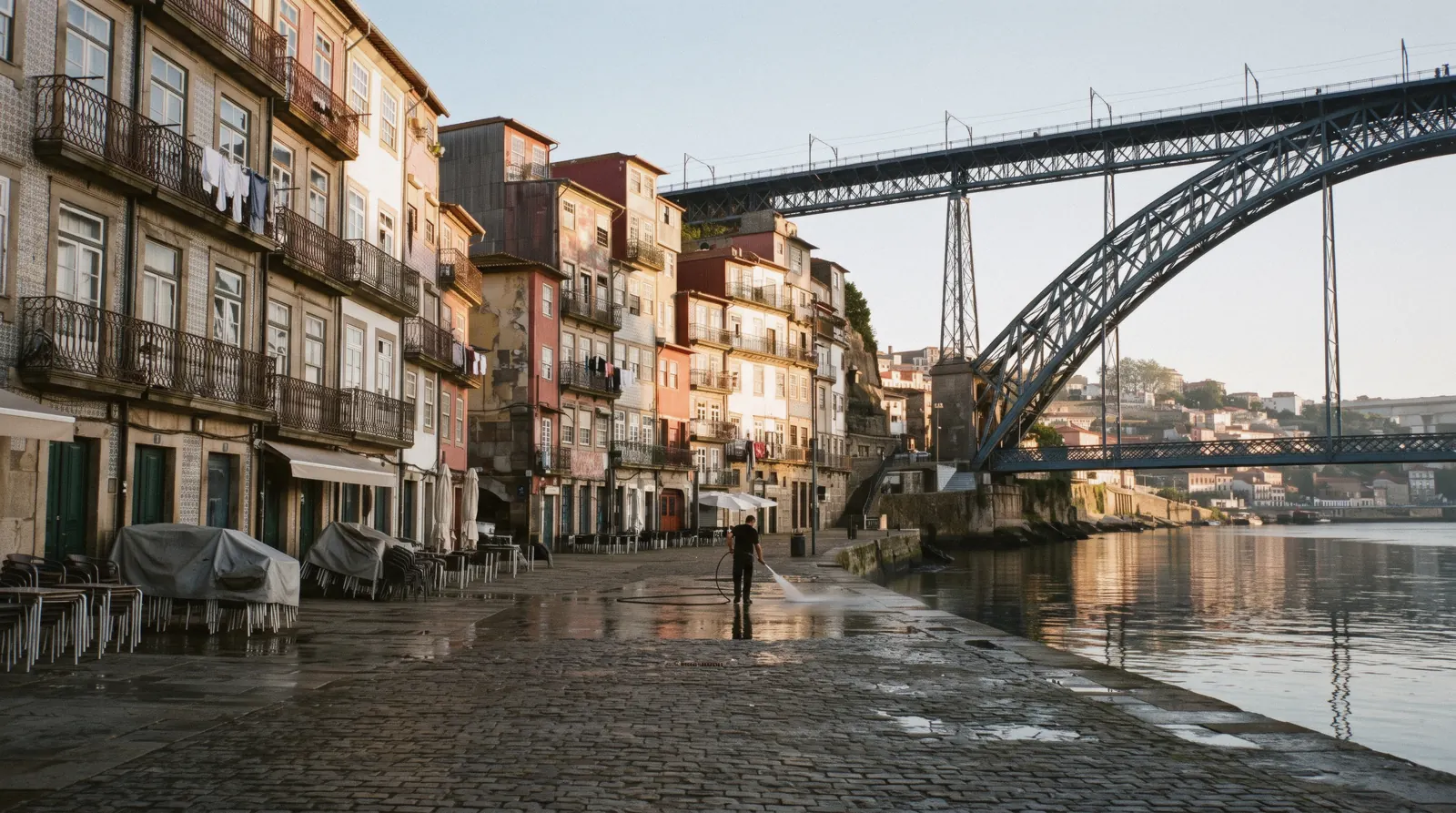
 from €10